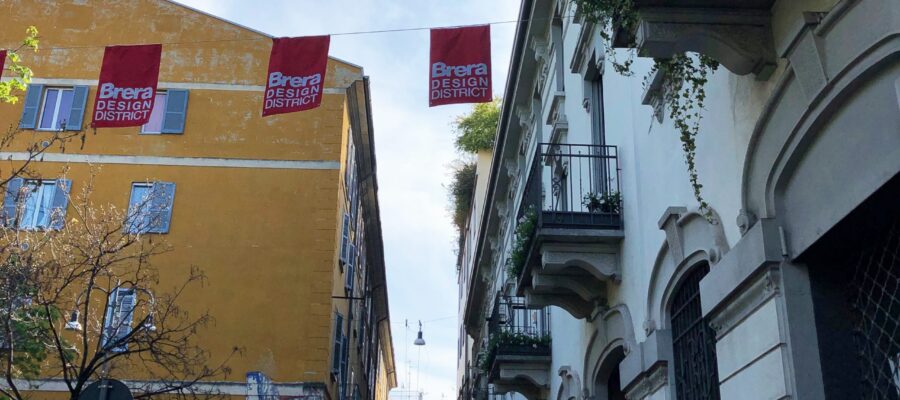
A Milan Fair brings together more than 300,000 people and takes place in April, covering more than 2000 furniture brand companies from around the world. The show takes place every year and sets trends in the field of design, architecture and decoration.
It was the year of eurolucewhere 2 of the 8 pavilions are focused on the lighting sector. In even years, kitchens are in the spotlight! In addition to Isalonwhich takes place in a large enclosed space, we have at the same time the Outside the roomwhich includes several stores and facilities in different areas of Milan. The showrooms of the most famous brands present the latest products, also including fashion stores and other areas of design.
Gabriela Orzil is an architect at Orzil Arquitetura and went to the Milan Fair to discover all the new products and trends 2019 for her projects. Here she tells us a little about what caught her attention the most. Keeping in mind that every professional has their own style and paying attention to different details and visions!
Natural stone top
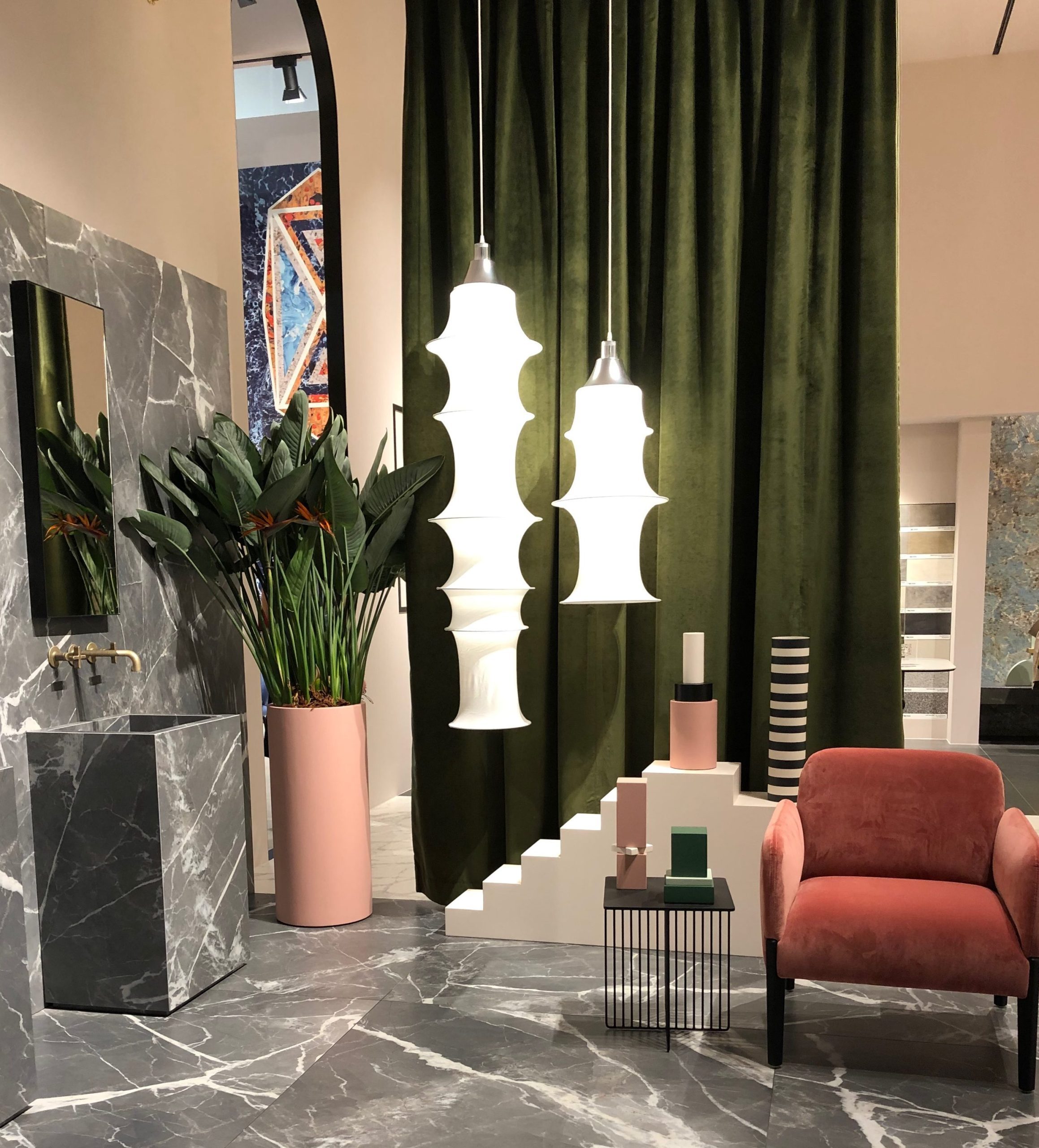
Marble coffee and dining table tops have been popping up for a while, and this year was no different! Many environments feature tables in this style, and the same texture is used on the backs of cabinets and counters.
The Brazilian Viviane Coserexhibited his pieces at the University of Milan, displaying bright colors of marble, granite, quartz and quartzite on coffee tables.
Metals as furniture structure
Metals appeared a lot in the structuring of shelves and room dividers. They bring lightness, mixing two styles of decoration: contemporary and classic.
Pastel tones
The colors were repeated with pinkish and greenish pastel tones. The new thing for me was the mustard color which appeared in certain environments. In the textures of sofas, linen and velvet.
Natural straw
Once again, the presence of traditional natural straw is visible. It was used in a hexagonal weave and also frequently appeared in chair seats, screens, ceilings and even chandelier details.
Translucent materials
Speaking of the lightness of the modules, glass and acrylic were widely used, added to the details of the MDF cabinets. In addition to decorations inside transparent boxes placed in different ways.
Fluted and wired glass also appeared a lot.
The threads bring more lightness to architectural and decorative modules and environments.
The fluted and mesh glass, as well as the vegetation of the spaces, are very reminiscent of the Scandinavian style: a combination of basic, minimalist and modern. This style which comes from northern Europe it’s super high.
As this year was a year of spotlight in architecture and decoration, we saw a lot of milky effects in different formats. LEDs also continue to have the wind in their sails, on straight rails and curved line lamps. Mirrors are always highlighted with this back lighting.
pe tanks
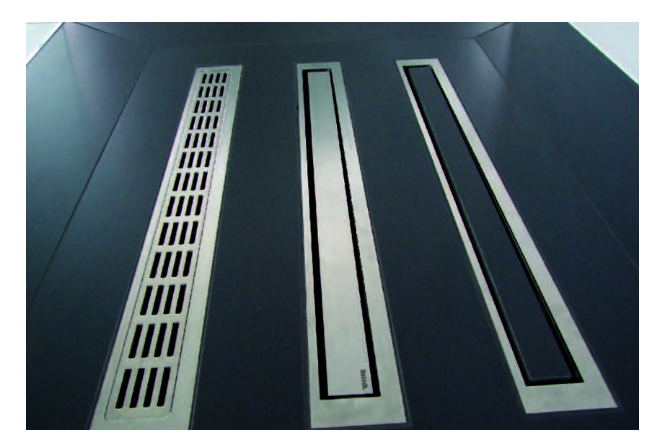
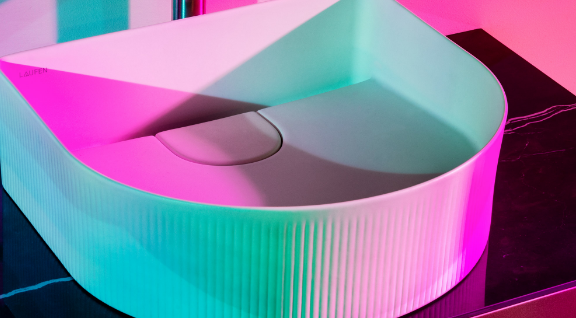
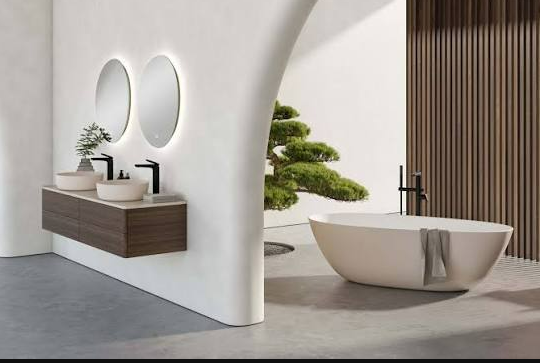
In bathrooms, returning to the old style, many free-standing basins have appeared, without worktops with wire bases and even made of the same dishes. The invisible drain, in the same tone as the clear tanks, was present.
Architecture and Decoration – Professional advice
Gabriela Orzil is an architect, graduated from FUMEC University, and began her journey in the region from her first university years. Today, with his own office, he develops commercial, residential and interior projects. Gabriela is committed to the quality of her projects and the satisfaction of her clients, keeping an eye on new developments in the world of architecture and design. This year it was time to visit the Milan Fair and ExpoRevestir to keep your projects up to date with trends and solutions.
For professionals and design enthusiasts, Milan becomes much more than the location of a furniture exhibition during this period. The entire city participates in a week dedicated to creativity, with exhibitions, product launches, temporary installations and events that demonstrate how furniture, architecture, lighting, technology and fashion increasingly influence one another.
The main exhibition provides an opportunity to discover a large number of international brands in one place, while events throughout the city offer a different and often more experimental perspective on contemporary design.
The Importance of the Milan Furniture Fair
The Milan Furniture Fair has established itself as an important meeting point for manufacturers, architects, interior designers, retailers and other professionals. Companies use the event to introduce new collections, demonstrate materials and present ideas that may influence interiors in the following years.
Visitors can explore furniture for living rooms, bedrooms, offices and outdoor areas, as well as accessories, surfaces and other elements used in residential and commercial projects.
One of the most interesting aspects of the event is the opportunity to observe several design directions simultaneously. Instead of examining products individually, visitors can identify recurring colors, materials, shapes and concepts appearing across different brands.
Euroluce and the Importance of Lighting
When Euroluce takes place, lighting becomes one of the major attractions. Dedicated exhibition areas allow manufacturers and designers to demonstrate new approaches to decorative and architectural illumination.
Lighting has evolved far beyond the traditional idea of simply placing a lamp in the center of a room. Contemporary systems can become integrated into walls, ceilings, furniture and architectural structures.
LED technology has also provided designers with greater freedom. Smaller light sources and flexible systems make it possible to create fixtures with thinner profiles and unusual forms.
At the same time, decorative lamps increasingly behave like sculptural objects. Even when switched off, a carefully designed pendant or floor lamp can remain an important part of the interior.
Kitchens Take Center Stage
Kitchen exhibitions are another important component of the Milan design calendar. New kitchens demonstrate developments in furniture, appliances, storage and materials while revealing how this room continues to evolve.
The modern kitchen is increasingly connected to dining and living spaces. As a result, cabinets are often designed to resemble conventional furniture rather than purely functional storage.
Large islands, concealed appliances and integrated storage can help create this continuity. Materials such as natural wood, stone, metal and sophisticated engineered surfaces provide additional possibilities for combining practicality with visual impact.
Technology also plays an important role, with appliances becoming increasingly integrated into the overall composition.
Design Extends Across Milan
The experience does not end at the exhibition center. During the same period, events throughout Milan transform different neighborhoods into temporary design destinations.
Showrooms open their doors with new collections, historic buildings host installations, and unexpected spaces can become venues for experimental projects.
This citywide component creates a different atmosphere from the traditional trade fair. Visitors move between streets, galleries, shops and temporary exhibitions, discovering both established companies and emerging designers.
Fashion brands also participate, demonstrating the increasingly close relationship between fashion and interior design. Colors, fabrics, craftsmanship and visual identities can move naturally between clothing, furniture and decorative objects.
Materials Become Protagonists
One of the advantages of attending a large international design event is the possibility of experiencing materials directly.
Photographs cannot always communicate the texture of a fabric, the finish of a piece of wood or the way light interacts with stone, glass and metal. Exhibitions allow visitors to observe these characteristics at close range.
Manufacturers also use these events to demonstrate new applications for familiar materials. Traditional craftsmanship can appear alongside industrial production, while technological innovation makes thinner, lighter or more complex surfaces possible.
From Exhibition Stands to Real Homes
Not every concept displayed at a design fair is intended to be reproduced directly inside a typical home. Exhibition stands frequently exaggerate proportions, colors and combinations to communicate a strong visual message.
However, these presentations provide useful inspiration. A dramatic installation may introduce a color that later appears in smaller accessories, or an experimental material may eventually become available for conventional residential projects.
For homeowners, the most practical approach is to identify ideas that correspond to their own lifestyle rather than attempting to reproduce an entire exhibition environment.
A Global Meeting Point for Design
Milan’s major design events demonstrate why the city continues to occupy an important position within the international furniture and interiors industry. The combination of the main fair, specialized exhibitions such as Euroluce, brand showrooms and citywide installations creates an environment where different creative disciplines meet.
Furniture remains at the center of the event, but architecture, lighting, technology, textiles and fashion all contribute to the experience. This diversity makes it possible to understand not only which products are being introduced, but also how ideas about the home are evolving.
Ultimately, Milan Design Week serves as both a commercial showcase and a laboratory for new ideas. What appears as an experimental concept during the fair can influence materials, colors, furniture and lighting solutions that eventually find their way into homes around the world.
Latest Posts Published

10 reasons to buy an LED desk lamp
Cosmina Ruxandra Chinciu: The joy of the client when he sees that in reality
Luxury bedrooms – Poliform product
Shower with gutter – solution for continuous floors in bathroom desig
Studio layout – creative configuration solutions
Reinventing the bathroom: Laufen’s Sonar collection sets new standards
The kitchen. The heart of the house
Living room interior design – Design styles
5 bathroom design ideas from Villeroy & Boch