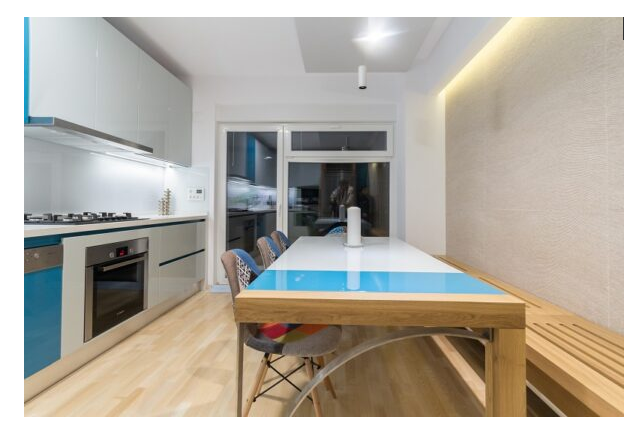
At Casoca, we have prepared a definitive guide that will answer your questions about which piece of furniture will look perfect next to your pool or what type of material is ideal for that kitchen bench. Follow us!
For outdoor spaces, the ideal is to choose a durable and resistant material. The choice must take into account, for example, whether it will be a piece of furniture that will remain “over time”, subject to unfavorable weather conditions.
With this in mind, the most recommended are those with a stainless steel base, since they are resistant to corrosion. Choose those that have been electrostatically painted or anodized, which ensures that the part has little adhesion to dirt, making cleaning easier. Synthetic fibers and wood are also recommended, as well as finishes like nautical leather and waterproof fabric, called aquabloc.
After all, it’s very unpleasant not to be able to sleep because of a bed that makes a lot of noise when you move. If you need storage space and versatility, box beds allow for wide variations in headboards and “trunk” models offer plenty of space to store everything you need.
Whatever your choice, it is important to pay attention to the quality of the furniture, so that your experience when using it is the best possible. Now that you have seen how to choose the furniture material that best suits your case, leave us a comment telling us what types of furniture you have in your home and what criteria you used to decide what to buy!
Choosing furniture should involve more than deciding which color or style looks best. The environment where a piece will be placed has a direct influence on how well its material performs over time. Humidity, sunlight, heat, frequent cleaning and everyday use can all affect furniture differently.
A beautiful material used in the wrong location may require constant maintenance or deteriorate sooner than expected. Understanding the basic characteristics of wood, metal, glass, stone, synthetic materials and upholstery can therefore help you make a more practical choice.
1. Wood for Warm and Comfortable Interiors
Wood remains one of the most versatile materials in furniture design. It can appear in traditional, rustic, Scandinavian, minimalist and contemporary interiors depending on its finish and construction.
Dining tables, cabinets, shelves, bed frames and sideboards are common applications. Natural wood introduces warmth and texture and can develop additional character as it ages.
However, moisture deserves attention. Not every type of wood or finish is appropriate for bathrooms, outdoor areas or locations exposed to frequent water.
Cleaning should generally be performed according to the finish applied to the furniture, avoiding unnecessary saturation with water.
2. MDF and Engineered Wood
MDF and other engineered wood products are widely used for cabinets, wardrobes, shelving and custom furniture.
One advantage is their versatility. They can receive different finishes and colors, making them suitable for numerous decorative styles. They can also provide a more accessible alternative to certain solid-wood solutions.
Their suitability depends on the product and environment. Areas with significant moisture require materials and finishes specifically designed for those conditions.
In kitchens and bathrooms, edges, joints and areas around sinks require particular attention because repeated contact with water can become a problem when the material is inadequately protected.
3. Metal for Contemporary and Industrial Spaces
Metal can provide strength while allowing furniture to maintain relatively thin profiles. Steel and aluminum are commonly found in table structures, shelving, chairs and outdoor furniture.
Black metal is frequently associated with industrial interiors, while polished or warmer metallic finishes can create a more sophisticated appearance.
For outdoor applications, corrosion resistance and the quality of the protective finish become particularly important. Furniture positioned beside a swimming pool will regularly encounter moisture and sunlight, so it should be designed specifically for exterior conditions.
4. Glass Creates Visual Lightness
Glass is particularly useful when you want furniture to occupy less visual space. Coffee tables, dining tables, shelves and cabinet doors can incorporate transparent surfaces that allow light to pass through.
This can make glass furniture attractive for smaller rooms where heavy pieces might make the interior feel crowded.
Maintenance is one of the main considerations. Fingerprints and dust tend to be more visible, meaning frequent cleaning may be necessary.
For furniture applications, appropriate safety glass and suitable thickness should be selected according to the intended use.
5. Stone for Durable Work Surfaces
Natural and engineered stone surfaces are common in kitchens because they can provide durability alongside a premium appearance.
Granite, marble and other stones each have different characteristics. Some surfaces require sealing or additional care to reduce staining, while others may be more appropriate for intensive everyday use.
When selecting a kitchen countertop, appearance should therefore be considered together with resistance to heat, moisture, impacts and common food stains.
The weight of stone also means that the cabinets or supporting structure need to be suitable for the selected surface.
6. Upholstered Furniture for Comfort
Fabric-covered sofas, armchairs, benches and dining chairs introduce softness into the home. The enormous variety of textiles makes upholstery one of the easiest ways to introduce color and texture.
The ideal fabric depends on how frequently the furniture will be used. A decorative armchair in a quiet bedroom has different requirements from a family sofa used every day.
Homes with children or pets may benefit from durable and easier-to-maintain fabrics. Removable covers can also simplify cleaning in some situations.
Leather and leather-like materials provide another aesthetic, but they have their own maintenance requirements and should be selected according to the intended environment.
7. Outdoor Furniture Requires Special Attention
Furniture beside a pool, on a balcony or in a garden faces conditions that indoor furniture does not.
Sunlight, rain, humidity and temperature changes can gradually affect materials. Outdoor furniture should therefore be manufactured or treated specifically for exterior use.
Suitable metals, synthetic fibers and properly protected woods are among the available options. Outdoor fabrics should also be selected for the conditions they are expected to encounter.
Even furniture designed for exterior spaces can benefit from appropriate maintenance and protection when it is not being used for extended periods.
8. Combining Materials
Modern furniture frequently combines several materials within the same piece. A dining table might have a wooden top and metal legs, while a cabinet could combine wood, glass and metallic details.
Mixing materials creates visual contrast and can also provide practical advantages.
The important consideration is maintaining some connection between different pieces. Repeating a material or finish elsewhere in the room can make the overall composition feel more intentional.
For example, black metal table legs can visually connect with black lighting fixtures, handles or window frames.
9. Consider Cleaning Before Buying
Maintenance is sometimes overlooked when selecting furniture. A material that looks impressive in a showroom may require more attention than expected once it becomes part of everyday life.
Before purchasing, consider how frequently the furniture will be touched, whether it will encounter food or liquids and how easy the surface is to clean.
Families with limited time for maintenance may prefer resistant finishes and simple surfaces over delicate materials requiring specialized products or frequent care.
Manufacturer recommendations should always be followed, particularly for natural materials and specialized finishes.
Making the Right Material Choice
There is no single furniture material that is perfect for every part of the home. The ideal option depends on where the furniture will be placed, how frequently it will be used and the conditions it will encounter.
Wood can provide warmth, glass can create visual lightness, metal can offer strength and a contemporary appearance, while stone can be an excellent choice for demanding work surfaces. Outdoor spaces require another level of resistance, particularly when furniture is exposed to sunlight, water and changing weather conditions.
Final Considerations
The best furniture combines aesthetics with materials appropriate for its environment. Before making a decision, think about humidity, sunlight, cleaning, frequency of use and the level of maintenance you are prepared to perform.
A carefully selected material can preserve the appearance and functionality of furniture for much longer. Instead of choosing exclusively according to current trends, consider how each piece will actually be used. That simple approach can make the difference between furniture that merely looks attractive and furniture that genuinely works for your home.