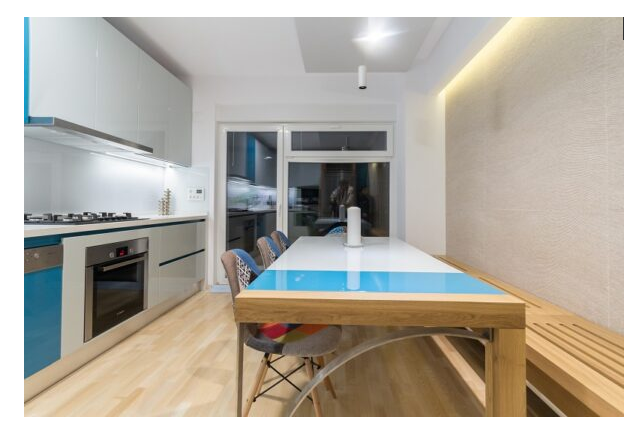
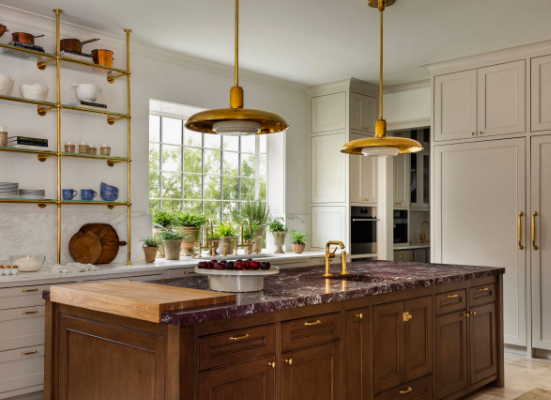
The end of the year is a good opportunity to look back at the trends that prevailed in kitchen design in 2015, which we noticed at the furniture shows we attended, to see what will persist in the year to come. Like every year, in May 2016 we will be present at the Milan International Furniture Fair, the most important event in the world of furniture, in order to be aware of trends and select new products.
Here are the industry trends kitchen furniture which you won’t go wrong with in 2016:
1. Custom kitchen furniture
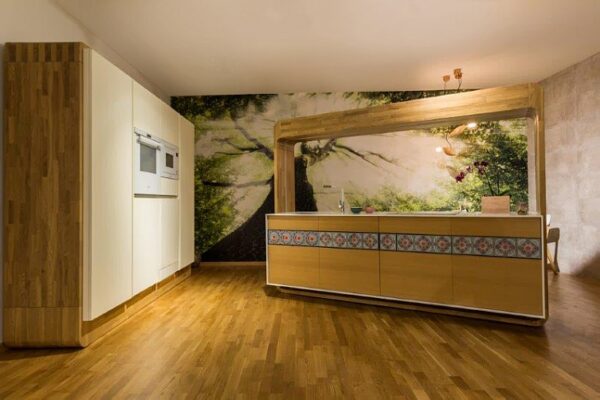
Of course, this is nothing new, but in the past year, more and more customers, advised or not by interior designers and architects, are opting for custom-made furniture. This option gives them control of the product and the opportunity to put their creative stamp on the final product, a tempting aspect especially for younger consumers. The concern for personalized kitchen furniture, created according to the needs of users and the unique characteristics of the given space, as well as the interest of customers in the world of design, which conditions their choices, have created a strong preference for personalized kitchen furniture.
The e-Motion kitchen from the 100% Romanian brand Formmat, launched in September 2015 at the BIFE-SIM trade fair, was born from this same trend: the need for kitchen furniture that is easy to personalize, versatile and capable of adapting to changes, keeping fundamental needs unchanged: ergonomics, resistance over time, ease of use. The ceramic tiles decorated by designer Marie Nouvelle are arranged on a magnetic support, being easy to replace at any time, and changing the appearance of the furniture.
2. Built-in high-tech options
Innovations in the world of technology do not bypass the world of cooking, on the contrary: today’s kitchens are equipped with cutting-edge functions that add a new dimension to cooking and facilitate daily activities. One of the innovations integrated into Formmat kitchens is Franke’s myMenu oven, which can be activated via a smartphone app, wherever you are. Today’s kitchens meet the needs of today’s always-connected users.
3. Central insulating element
The kitchen island, when space allows, remains a popular trend. Inspired by television shows and cooking demonstrations, the island is an element that adds a special note to the space, especially when it presents an industrial style, like the Factory kitchen by Aster Cucine, a surprising fusion between industrial style and rustic influences.
4. Clean lines and subtle design
To provide long-term versatility, the fronts of the kitchen furniture have been simplified, favoring clean lines in favor of ornamentation. This trend adapts perfectly to black and white kitchens, like the Phoenix by Varenna, where all the furniture modules are inspired by the pure and refined line, the quintessence of modernism.
5. Neutral shades
In addition to the simplicity of the line, the favorite kitchen furniture of designers in 2016 will be mostly finished in neutral tones: white, gray and natural tones create a welcoming and warm atmosphere, and a comfortable background for decorative elements with bold accents, easy to change over time. The Baron de Formmat kitchen, available in 12 shades, is most often chosen in the solid lime wood version, Panna white.
Kitchen furniture It’s a significant investment, so if you’re planning to renovate in the coming year, it’s worth considering kitchen furniture trends that will stick around for a long time.
Looking back at the major interior design exhibitions of 2015, one idea became increasingly clear: the kitchen was becoming more personalized, better integrated with the rest of the home, and increasingly focused on efficient use of space. Although finishes and colors changed from one collection to another, functionality remained at the center of most new proposals.
For homeowners planning a renovation in 2016, several of these directions offered a good balance between contemporary aesthetics and practical everyday use.
1. Custom Kitchen Furniture
Custom-made furniture became an important option because kitchens rarely have identical dimensions or requirements. Instead of adapting the room to standard cabinets, personalized furniture makes it possible to use corners, tall walls and other difficult areas more efficiently.
Cabinets can be designed according to the owner’s cooking habits, storage requirements and preferred appliances. Drawers can accommodate cookware, tall units can hide food supplies, and integrated sections can provide dedicated spaces for ovens, refrigerators and other equipment.
Customization is also useful from an aesthetic perspective. Materials, handles, colors and finishes can be coordinated with the surrounding interior, particularly in open-plan homes where the kitchen is visible from the living room.
2. Simple and Clean Furniture Lines
Another important trend was the reduction of unnecessary decorative details. Flat cabinet fronts, discreet handles and simple geometric shapes helped kitchens appear cleaner and more spacious.
This minimalist influence did not necessarily mean creating completely white or sterile interiors. Instead, designers combined simple furniture with natural textures, contrasting surfaces and carefully selected accessories.
Handleless cabinets were particularly suitable for this approach. Integrated opening systems allowed large furniture surfaces to remain visually uninterrupted, reinforcing the architectural character of the kitchen.
3. Natural Wood Returns
Wood continued to occupy an important place in kitchen interiors. Light and medium wood tones provided warmth and worked particularly well alongside white, gray, black and other neutral finishes.
Natural-looking surfaces also offered a way to soften kitchens containing large amounts of metal, glass or stone. Rather than covering every cabinet with the same material, wood could be introduced selectively through an island, tall storage unit, shelving or dining area.
The combination of wood and simple contemporary cabinetry created an interior that felt modern without becoming excessively cold.
4. The Kitchen Island as a Multifunctional Element
Kitchen islands became much more than additional preparation surfaces. Depending on the available space, they could incorporate storage, appliances, sinks, cooking areas and seating.
An island could also establish a natural transition between the kitchen and living room in an open-plan interior. While one side remained dedicated to food preparation, the opposite side could function as a breakfast bar or informal dining area.
However, dimensions remained important. An oversized island in a small kitchen could restrict circulation rather than improve functionality. The best designs considered the available walking space before determining the final size.
5. Integrated Appliances
Visual continuity became increasingly desirable, encouraging the integration of appliances into kitchen furniture. Refrigerators, dishwashers and other equipment could be concealed behind cabinet fronts, while ovens and smaller appliances were incorporated into dedicated units.
This solution helped the kitchen appear more organized, particularly when viewed from adjacent living areas.
Integration also made it possible to position appliances according to comfort. For example, an oven installed at a convenient height could be easier to use than a traditional model positioned close to the floor.
6. Smarter Storage Solutions
Efficient storage remained one of the most practical kitchen trends. Deep drawers, pull-out systems, corner mechanisms and vertical cabinets helped homeowners make better use of the available volume.
The objective was not simply to provide more storage but to make stored objects easier to access. Frequently used utensils could remain close to preparation areas, while larger cookware and less frequently used items could occupy deeper compartments.
Good internal organization also helped maintain the clean exterior appearance associated with contemporary kitchen furniture.
7. Neutral Colors With Strong Accents
White remained a reliable choice, but it was increasingly combined with gray, black, wood and other contrasting finishes. Dark cabinets could create a sophisticated appearance, particularly in larger kitchens with sufficient natural light.
Color accents could then be introduced through chairs, lighting, backsplashes or individual cabinet sections.
This strategy offered greater flexibility than using an intense color throughout the entire kitchen. Smaller elements could be replaced more easily when preferences or trends changed.
8. Kitchens Connected to Living Areas
Perhaps one of the most significant developments was the continued integration of kitchens with dining and living spaces. As open-plan layouts became increasingly common, kitchen furniture needed to look appropriate alongside sofas, tables and other living-room elements.
This encouraged manufacturers and designers to create cabinets with a more furniture-like appearance. Shelving, display units and carefully selected finishes helped establish visual continuity between different functional zones.
Looking Ahead
The kitchen trends emerging around 2015 and 2016 shared a common objective: creating spaces that were more personal, practical and visually connected to the rest of the home.
Custom furniture, natural materials, integrated appliances, intelligent storage and multifunctional islands were not simply decorative trends. They responded to changes in the way people used their kitchens and offered solutions that could remain useful beyond a single season.
For this reason, many of these ideas have lasting value. A successful kitchen ultimately depends less on following every new trend and more on selecting durable materials, creating an efficient layout and designing storage around the actual needs of the people who use the space.
Latest Posts Published

10 reasons to buy an LED desk lamp
Cosmina Ruxandra Chinciu: The joy of the client when he sees that in reality
Luxury bedrooms – Poliform product
Shower with gutter – solution for continuous floors in bathroom desig
Studio layout – creative configuration solutions
Reinventing the bathroom: Laufen’s Sonar collection sets new standards
The kitchen. The heart of the house
Living room interior design – Design styles
5 bathroom design ideas from Villeroy & Boch