Milan Design Week has become the global epicenter of design creativity and innovation. Every April, the Italian city is full of exhibitions, installations and events that attract more than 400,000 visitors from all corners of the planet.
Far beyond a simple trade fair, it has become a cultural phenomenon that dictates global trends and redefines our relationship with spaces and objects. To understand its current scale, let us look at its roots and its evolution.
The origins of Milan Design Week
It all started in 1961, when a group of Milanese furniture makers decided to create a platform to promote Italian design on the international scene. The Salone del Mobile was born, initially a modest fair dedicated to furniture.
The context was propitious: Italy was experiencing its post-war “economic miracle” and Milan was already emerging as a center of excellence in design, fashion and architecture. The first events occupied a limited space in the old Milan Fair, bringing together mainly local manufacturers looking to expand their markets.
From living room to cultural phenomenon
The real transformation happened in the 1980s, when spontaneous events began to emerge alongside the official fair. This movement, later called Fuorisalone (“outside the room”), extended the event to the entire city.
Showrooms, galleries, old palaces and even abandoned spaces were transformed into stages for creative installations. What was once an exhibition focused on the furniture trade has become a multidisciplinary celebration of design in its most varied expressions – from fashion to gastronomy, from technology to architecture.
Historical milestones and defining moments
The journey of Milan Design Week is punctuated by revolutionary moments that transcended the event and redefined global design.
In the 1960s, when the world was experiencing profound cultural transformations, the Salone presented the first modular furniture reflecting new social dynamics, such as the iconic Camaleonda sofa by Mario Belliniwhich breaks with traditional rigid forms.
The 1980s saw an even more radical aesthetic break when the Memphis collective, led by Ettore Sottsass, challenged minimalist functionalism with exuberant, colorful pieces celebrating emotion and symbolism.
This irreverent approach allowed designers like Philippe Starck to present, in the early 1990s, conceptual objects which called into question the very function of design – its Juicy Salifmore admired as a sculpture than as a juicer, perfectly illustrates this paradigmatic change.
Each of these innovations not only marked the history of the event, but also reflected and influenced broader cultural movements, consolidating Milan as a living laboratory where the future of design is continually imagined and materialized.
The current structure of the event
Today, Design Week brings together two complementary worlds. The officer Furniture fair takes place in the gigantic Rho Fiera Exhibition Centeron the outskirts of the city, with more than 2,300 exhibitors distributed in thematic pavilions dedicated to different segments: furniture, lighting, office, kitchen, etc.
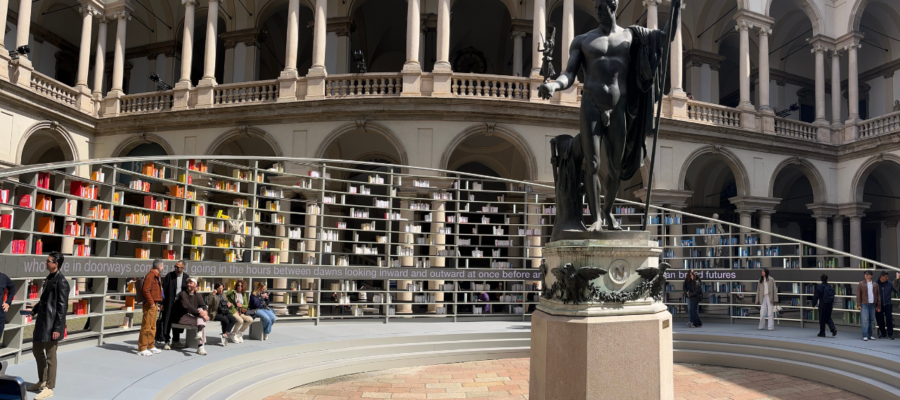
At the same time, the Fuorisalone is spreading in creative districts like Brera, Tortona and Venturaeach with its own identity. This decentralization has transformed the experience into an urban immersion where the city itself becomes a laboratory of ideas.
Economic and cultural impact
The figures are impressive: more than half a million visitors, around 13,500 participating companies and a an economic impact estimated at 350 million euros to the city in just one week. However, its value transcends the financial aspect.
Design Week has become a barometer of trends that will influence our spaces for years to come. Specialized journalists, influencers and buyers spread Milan news around the world, creating a ripple effect that touches everything from large industries to small workshops on distant continents.
The meteoric rise of Milan Design Week to the most influential global industry event is not the result of chance, but the result of a unique cultural alchemy. THE Italian tradition in excellent know-howinherited from generations of cabinetmakers and craftsmen, has provided the ideal substrate for innovation to flourish.
This heritage was enriched by strategic vision of the organizerswho understood from an early age that design transcends the physical object and penetrates the territory of ideas and emotions.
Geography also plays a fundamental role: Milan, located in the heart of Europe, historically functions as bridge between the industrialized north and the creative south of the continent. The expansion of the event across the city, encompassing historic and industrial districts, has created an urban experience impossible to replicate in generic convention centers.
More subtly, the timing of the event in April – when the Mediterranean spring invites you to explore the city on foot – transforms the experience into a full sensory experience, where discussions in Milan’s sidewalk cafes often generate collaborations that define the future of global design
Latest Posts Published

10 reasons to buy an LED desk lamp
Cosmina Ruxandra Chinciu: The joy of the client when he sees that in reality
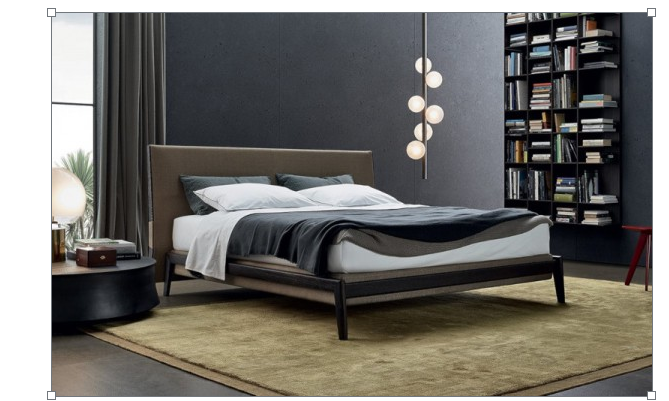
Luxury bedrooms – Poliform product
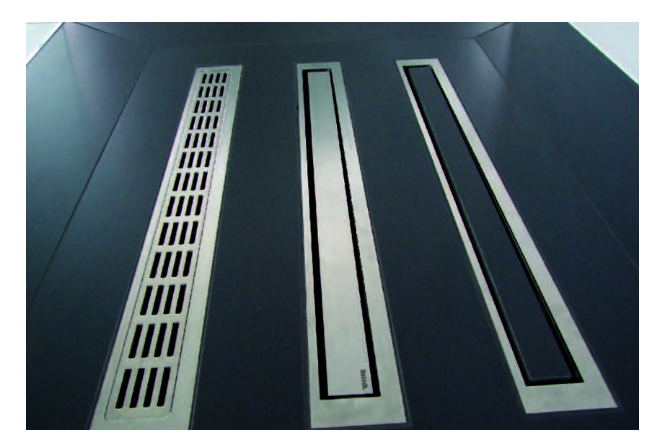
Shower with gutter – solution for continuous floors in bathroom desig
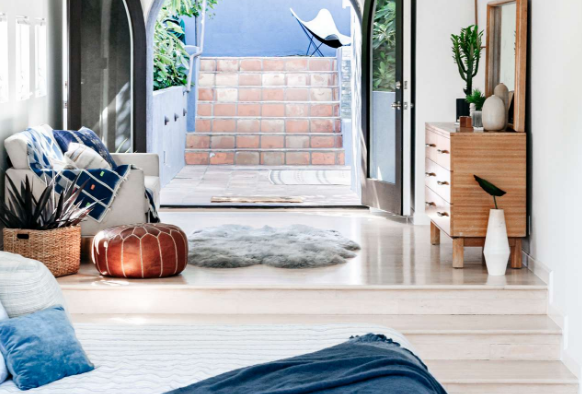
Studio layout – creative configuration solutions
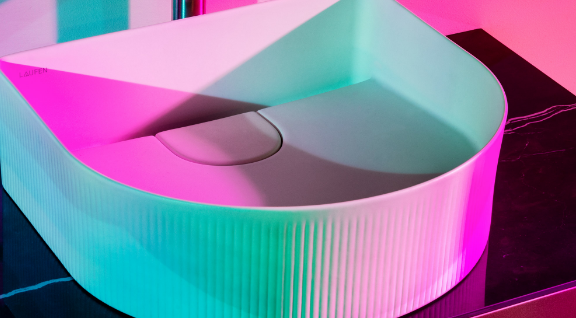
Reinventing the bathroom: Laufen’s Sonar collection sets new standards

The kitchen. The heart of the house
Living room interior design – Design styles
5 bathroom design ideas from Villeroy & Boch