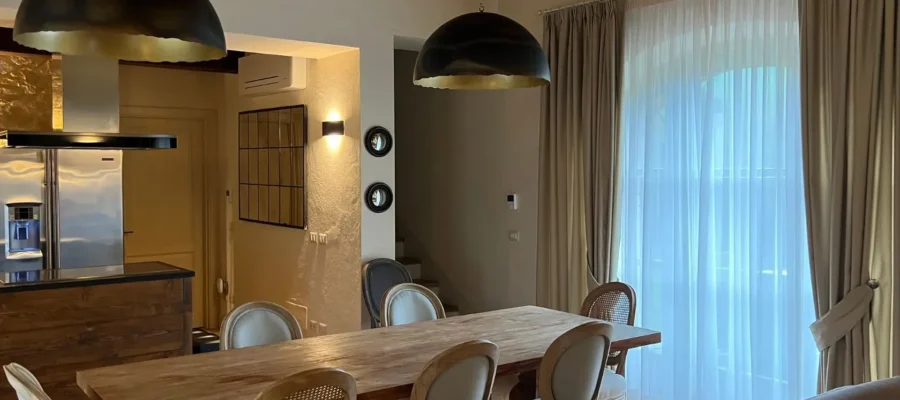
The charm of a historic Tuscan farmhouse comes largely from the relationship between the building and its surroundings. Stone walls, exposed wooden beams, terracotta floors and traditional architectural details already provide a strong visual identity. For this reason, the textile design needed to complement these elements rather than compete with them.
The objective was to preserve the authentic atmosphere of the property while introducing additional comfort through fabrics, colors and textures. Every textile element therefore became part of a broader composition inspired by the natural landscape surrounding the farmhouse.
A Color Palette Inspired by Tuscany
The countryside provided the starting point for the interior palette. Warm beige, sand, brown and terracotta tones recall the soil and traditional building materials, while muted greens establish a connection with the olive trees and vineyards outside.
These earthy shades work particularly well in historic interiors because they create a smooth transition between old architectural surfaces and newer decorative elements. Instead of introducing intense contrasts, the colors reinforce the calm and welcoming atmosphere of the house.
Lighter fabrics can also help balance rooms containing dark wooden beams or heavy traditional furniture. Cream, linen and warm white tones reflect natural light and prevent the interior from feeling excessively dark.
Natural Fabrics and Rich Textures
Material selection is particularly important in a rustic interior. Linen, cotton, wool and other natural-looking textiles complement stone and wood while adding the softness necessary for comfortable living spaces.
Curtains can provide privacy without completely blocking the landscape. Lightweight fabrics allow daylight to filter through, creating subtle variations in color and texture during different hours of the day.
Upholstery offers another opportunity to introduce tactile variety. Sofas, armchairs and dining chairs can combine durable fabrics with cushions and throws in softer textures. Layering different materials creates visual depth without requiring elaborate decoration.
Respecting the Original Architecture
In a historic property, the architecture should remain one of the main protagonists. Textiles can frame existing features rather than hide them.
Windows overlooking the Tuscan countryside, for example, benefit from simple curtains that emphasize their proportions and views. Decorative fabrics can also soften the appearance of stone walls while allowing their natural texture to remain visible.
The same principle applies to exposed beams and traditional flooring. Instead of covering these surfaces excessively, rugs and upholstery can be positioned strategically to introduce comfort while preserving the character of the building.
Bedrooms Designed for Comfort
Textiles become especially important in bedrooms, where they directly influence the sense of warmth and relaxation. Layered bedding, upholstered headboards, curtains and rugs can transform relatively simple rooms into comfortable retreats.
Patterns should be selected carefully. Subtle stripes, botanical motifs or traditional-inspired designs can add character, while neutral fabrics provide balance.
The goal is not to recreate a historic interior exactly as it might have appeared generations ago. Contemporary comfort can coexist with traditional surroundings when colors and materials establish a visual connection between old and new.
Connecting the Interior With the Landscape
One of the greatest advantages of a countryside property is its relationship with nature. Interior design can reinforce this connection through materials and colors inspired by the exterior.
Green accents recall olive trees and vineyards, terracotta references the traditional roofs and floors of the region, and natural fibers introduce textures associated with craftsmanship and rural life.
Large windows and doors should remain visually accessible whenever possible. Rather than competing with the views, the textile composition can frame them and make the changing landscape part of the decoration.
The Essence of Rustic Elegance
This Tuscan farmhouse project demonstrates that rustic interiors do not need to feel heavy or outdated. By combining original architectural features with carefully selected textiles, it is possible to preserve the history of a property while making it comfortable for contemporary living.
Natural fabrics, earthy colors and layered textures reinforce the warmth already provided by stone, wood and terracotta. At the same time, restrained decorative choices allow the surrounding vineyards, olive groves and hills to remain an essential part of the experience.
The result is a form of rustic elegance based not on excessive decoration, but on authenticity, comfort and harmony with the landscape—a home where traditional Tuscan character and modern everyday living can naturally coexist.
The challenge of decorating in rustic spaces
Landscaping farms and barns presents a unique challenge: respect and enhance the historical and natural context in which they are located. Each project requires careful dialogue with the surrounding environment. When guests come from abroad, they often want an authentic experience that reflects the beauty and history of Tuscany. We respond to these needs by maintaining a common chromatic and stylistic thread that not only adapts, but highlights the nature of the property.
To achieve this, the use of natural textile textures are essential. Fabrics such as linen and wool, in their different weights and shades, offer the perfect combination of rusticity and sophistication. Light and neutral colors avoid visually weighing down spaces, letting natural light play a key role. This approach preserves and enriches the historic atmosphere of the farms, creating an environment that is both contemporary and deeply rooted in local traditions
The role of textiles in staging
When it comes to furnishing farms and barns, the choice of fabrics plays a crucial role in creating a welcoming and authentic environment. For projects in rustic spaces, we use a wide range of fabrics that offer countless combination possibilities.
Natural threads are particularly appreciated for their ability to blend harmoniously with the traditional elements of Tuscan farmhouses. Household linens of different compositions, soft wools And light filtering fabrics are ideal for creating curtains that add warmth and texture without visually weighing down spaces. These natural materials, available in neutral and earthy tones, reflect the rustic and relaxing aesthetic of the environment.
In addition to natural fabrics, there are also synthetic fabrics available on the market today that mimic the appearance of natural materials but offer additional benefits. These fabrics, resistant to light and wear, are perfect for environments where durability is required. Often chosen to furnish rooms in hotels, hotels, residences and other commercial premises, these materials meet not only aesthetic requirements but also technical requirements, such as fireproof And ease of maintenance.
Design solutions adopted
Besides the choice of fabrics, other details also determine the success of a textile furnishing project for farms and barns. For example, the curtain installation system should blend harmoniously with existing furniture. In farmhouses, where furniture often features rustic elements and natural materials, we like to opt for rods with wall rings, with finishes that echo existing details, such as wrought iron or natural wood.
THE curtain stitching type is another important aspect. The stitching influences the final appearance of the curtain and must be chosen carefully to complete the desired look. With a wide range of options, from simple to elaborate stitching, each design can be customized to meet aesthetic and functional needs. The addition of embroidered trimmings, handcrafted by renowned brands such as Travers and Houles, offers additional customization possibilities, creating stylistic connections that tie the entire project together
Promote Tuscan authenticity
The interior architecture of Tuscan farmhouses is intrinsically linked to the rural tradition of the region. Items such as exposed wooden beams, terracotta floorsAnd rustic wooden furniture are not only decorative, but tell a story of durability and affection passed down from generation to generation.
Local fireplaces stone, such as travertine or pietra serena, and wrought iron details found in chandeliers and balustrades add an artisanal touch that celebrates local craftsmanship.
Zefiro Interiors works to integrate these characteristic elements into the textile solutions offeredshowcasing the authentic aesthetic of Tuscan farmhouses. The choice of fabrics and finishes not only complements the existing architecture, but enhances it, creating an environment that is both warm, welcoming and true to its history.
Latest Posts Published

10 reasons to buy an LED desk lamp
Cosmina Ruxandra Chinciu: The joy of the client when he sees that in reality
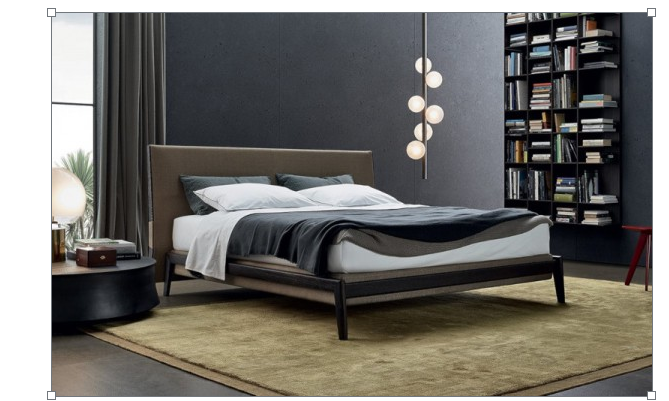
Luxury bedrooms – Poliform product
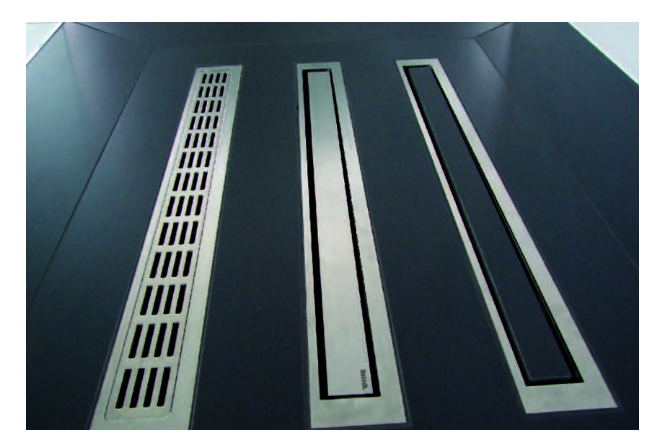
Shower with gutter – solution for continuous floors in bathroom desig
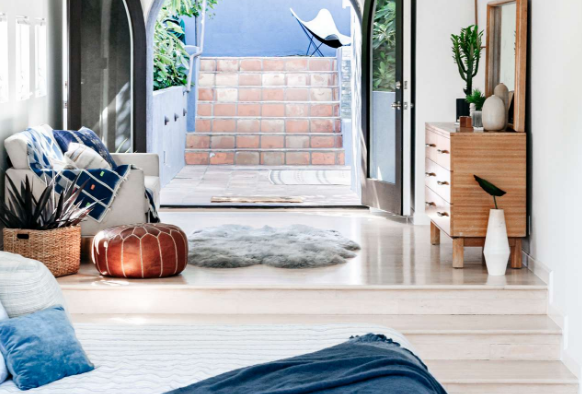
Studio layout – creative configuration solutions
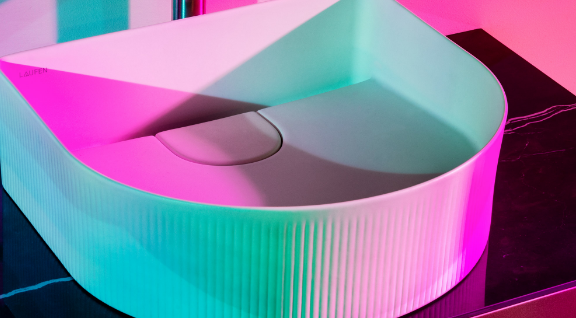
Reinventing the bathroom: Laufen’s Sonar collection sets new standards
The kitchen. The heart of the house
Living room interior design – Design styles
5 bathroom design ideas from Villeroy & Boch