5 decorating tips with elements of industrial architecture


If you like a modern style, full of personality and with that urban touch that transforms any space, industrial architecture could be the perfect choice for your decor. Inspired by 20th century warehouses and factories, this style combines functionality and beauty in a more casual look.

And look, incorporating industrial style into your decor is easier than it seems. By adding personalized details, you can completely transform your space.

Do you want to know how to bring this charm to your interior? Discover our 5 practical tips and get to work!

1) Expose raw and structural materials

One of the main characteristics of industrial style is the “unfinished” look. This means exposing materials that would normally be hidden, such as bricks, concrete, wood and metal.

How to apply?

  • Leave a brick wall exposed or invest in wallpaper that resembles that type of material;
  • Explore the possibility of having concrete floors or ceilings;
  • Use shelves with metal and wood supports to organize and decorate.

These elements bring authenticity and a rustic touch which is the face of industrial style.

2) Invest in industrial lighting
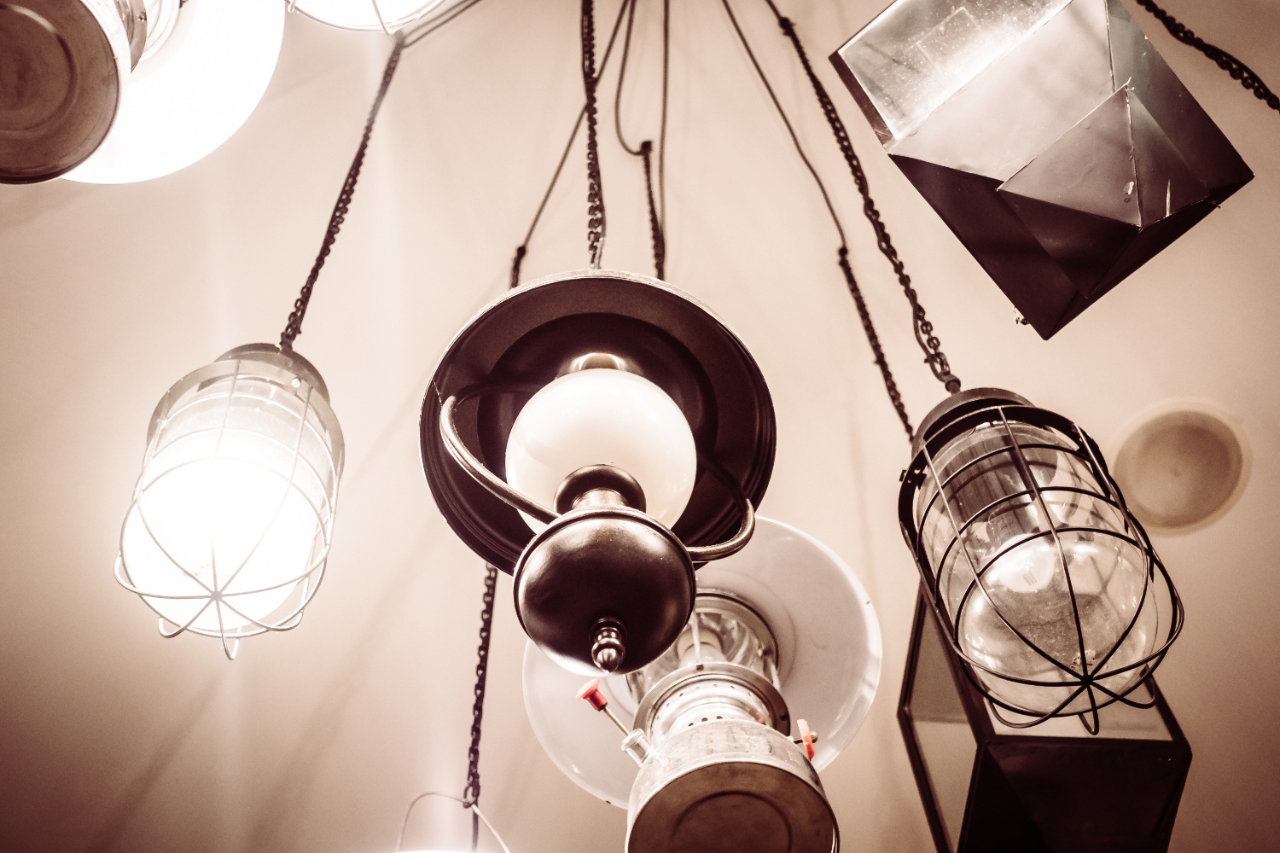
Lighting is one of the strong points of industrial style. Metal lamps, pendants with exposed bulbs and sconces with simple designs help create a look that is both retro and modern.

How to apply?

  • Choose pendant lights for dining tables or counters, preferring shades of black, copper or brass;
  • Use carbon filament bulbs for a vintage ambiance and warmer light;
  • Mix different types of lamps: floor, ceiling and wall, creating layers of lighting for a cozy and functional space.

In addition to lighting, these pieces are also real decorative objects!

3) Use industrial style furniture

Industrial style furniture generally features simple lines and combines functionality and aesthetics. The most common materials are rustic wood and metal, often with a distressed finish that reinforces the urban character.

How to apply?

  • Opt for wooden coffee tables with a steel structure;
  • Choose vintage chairs or bar stools with metal details;
  • Use racks and rolling shelves to make the space mobile.

This furniture can be combined with pieces of other styles to create an interesting and more personalized visual balance.

4) Opt for neutral colors and metallic tones

The industrial style color palette is generally muted, with neutral tones like black, white, gray and beige dominating the space. Metallic details, such as gold and copper, help bring sophistication and prominence.

How to apply?

  • Use neutral colors as a base for walls, floors and furniture;
  • Add colorful details like cushions, pictures or potted plants to create points of interest;
  • Avoid exaggerations: the charm of industrial style lies in the simplicity and harmony between the elements.

This color combination creates a contemporary and cozy atmosphere at the same time.

5) Include decorative pieces with personality

Finally, add decorative elements that reflect your personality. Industrial style values ​​vintage objects and repurposed pieces that bring history and authenticity to the space.

How to apply?

  • Decorate with gears, metal plates or machine parts;
  • Use old suitcases, retro telephones or urban-themed paintings;
  • Reuse crates, pipes or pallets to create unique shelves or organizers.

These details make all the difference and make the environment unique with your personal signature.

Now that you know how to apply the elements of industrial architecture in your decoration, don’t waste any more time and explore the catalogs available on Casoca!

Whether in compact apartments or larger homes, this style can transform every corner into an expression of style. And the secret is to balance the elements so that the environment is harmonious and functional.

So you can experiment and mix industrial with other styles, like modern or bohemian, to create an even more exclusive look. The most important thing is to have a decoration that reflects your identity and your vision of the world!

Industrial design has become popular because it combines raw materials, simple structures and practical furniture with a distinctive urban personality. Although its origins are associated with converted factories, lofts and warehouses, you do not need to live in an industrial building to incorporate the style into your home.

The secret is to select a few recognizable elements and balance them with comfortable furniture, warm lighting and personal details. This creates an interior inspired by industrial architecture without making the home feel cold or unfinished.

1. Use Raw and Natural-Looking Materials

Materials are fundamental to industrial decoration. Exposed brick, concrete, metal and wood are among the most recognizable choices.

An original brick wall can become an impressive focal point, but it is not essential. Brick-effect finishes or a carefully selected accent wall can create a similar visual reference when structural changes are not possible.

Concrete or concrete-effect surfaces also work well on walls, floors and countertops. Because gray surfaces can sometimes feel cold, combining them with natural wood provides warmth and contrast.

Metal can then appear in furniture legs, shelving, lighting fixtures, window frames and smaller decorative elements.

The goal is not to use every industrial material simultaneously. Selecting two or three and repeating them throughout the room usually creates a more balanced result.

2. Choose Furniture With Simple Structures

Industrial furniture tends to emphasize function and construction. Tables with wooden tops and metal frames are a classic example because both materials and structural elements remain visible.

Open shelving is another useful addition. Black metal structures combined with wooden shelves provide storage without creating the visual weight of large closed cabinets.

Leather sofas and armchairs can introduce additional character. Brown leather works especially well alongside black metal and wood, creating a warmer interpretation of industrial style.

Furniture does not need to match perfectly. Mixing contemporary pieces with vintage or reclaimed items can actually reinforce the informal character of the interior.

3. Make Lighting Part of the Decoration

Lighting fixtures are one of the easiest ways to introduce industrial influences without renovating an entire room.

Metal pendant lamps can work above kitchen islands and dining tables, while adjustable wall lamps are practical beside beds, desks and reading areas. Floor lamps with visible structures can also become decorative features.

Warm light is particularly useful because industrial interiors often contain gray, black and metallic surfaces. A warmer temperature can soften these materials and make living spaces feel more inviting.

Visible bulbs and exposed wiring can support the aesthetic when appropriate, although electrical installations should always remain properly designed and safely installed.

4. Work With a Restrained Color Palette

Industrial interiors are commonly associated with black, gray, brown and neutral shades. These colors provide a foundation that allows materials and textures to become more noticeable.

However, this does not mean the entire home needs to be dark.

White or warm neutral walls can make smaller rooms feel more spacious, while black details provide contrast. Wood introduces natural brown tones, and plants can add green without interfering with the overall aesthetic.

For more personality, deeper colors such as navy blue, forest green or burgundy can appear through furniture, artwork or textiles.

Keeping the main palette relatively controlled makes it easier to combine different materials without creating visual confusion.

5. Add Personal and Vintage Details

Industrial decoration works particularly well with objects that appear to have a history.

Vintage signs, old clocks, metal cabinets, reclaimed furniture, framed technical drawings and second-hand accessories can provide character. Books, records, photographs and personal collections can make the environment feel less like a showroom.

Artwork can introduce another layer of personality. Large graphic prints, black-and-white photography and urban-inspired illustrations complement the style particularly well.

Plants are also useful. Their organic shapes provide an attractive contrast with the straight lines and harder surfaces of metal, brick and concrete.

The key is moderation. A few carefully selected objects usually create a stronger effect than filling every available surface.

Combining Industrial Style With Comfort

One of the main challenges of industrial decoration is preventing the interior from becoming too cold. Materials originally associated with factories were selected primarily for practicality rather than domestic comfort.

Textiles provide an effective solution. Large rugs, curtains, cushions and upholstered furniture soften hard surfaces and can also improve acoustics.

Natural wood has a similar effect. A wooden dining table or shelving unit can immediately make a room dominated by concrete and metal feel warmer.

Comfortable seating is equally important. Industrial style should influence the appearance of the furniture without compromising how enjoyable the home is to use.

Industrial Style in Small Spaces

You do not need a large loft with high ceilings to experiment with this aesthetic. In smaller apartments, the style can be introduced through details rather than major architectural changes.

A metal shelving unit, wooden table, industrial pendant light and several black accents may be enough to establish the theme.

Keeping some walls light can prevent a compact room from feeling enclosed. Furniture with open metal structures can also create greater visual lightness than bulky solid pieces.

Mirrors can help distribute light and visually expand the room while fitting naturally into an industrial composition when paired with simple metal frames.

An Urban Style With Personality

Industrial architecture provides an excellent source of inspiration for people who appreciate functional interiors with strong materials and an informal urban character.

Exposed textures, wood, metal, practical furniture and distinctive lighting establish the foundation, while textiles, plants and personal objects make the space more comfortable and individual.

Most importantly, you do not need to transform your entire home at once. Start with a few carefully selected elements and gradually develop the aesthetic. The best industrial interiors balance their raw character with the warmth and functionality required for everyday living.


Latest Posts Published

10 reasons to buy an LED desk lamp
Although it seems like something that would take the last place on the list of worries, when you are in ...

Cosmina Ruxandra Chinciu: The joy of the client when he sees that in reality
"I'm a dreamer...my dreams are endless» This is what interior designer Cosmina Chinciu considers to define her. Cosmina is an ...

Luxury bedrooms – Poliform product

The bedroom creates a private world, a refuge from the routine of a busy and crowded life. It is the ...

Shower with gutter – solution for continuous floors in bathroom desig
One of the current trends is represented by open spaces, not only for living rooms, but also in the arrangement ...

Studio layout – creative configuration solutions
Setting up a studio is a challenge, but also a special project for lovers of ingenious solutions. Indeed, it involves ...

Reinventing the bathroom: Laufen’s Sonar collection sets new standards

Thanks to the SaphirKeramik material developed by Laufen, the Sonar bathroom collection brings new washbasins to the market that offer ...

The kitchen. The heart of the house

More than 25 years ago, German designers reinvented the kitchen, transforming this space into the “heart of the home”. If ...

Living room interior design – Design styles
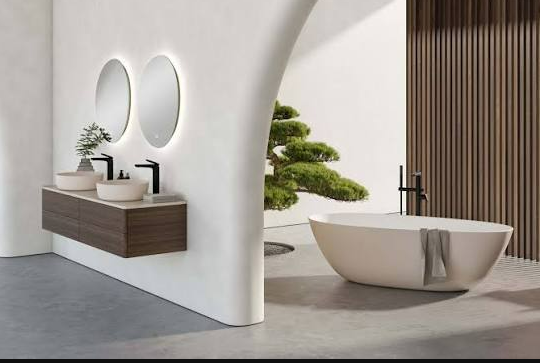
The living room is the place where friends and family gather to spend quality time together, representing an extremely important ...

5 bathroom design ideas from Villeroy & Boch
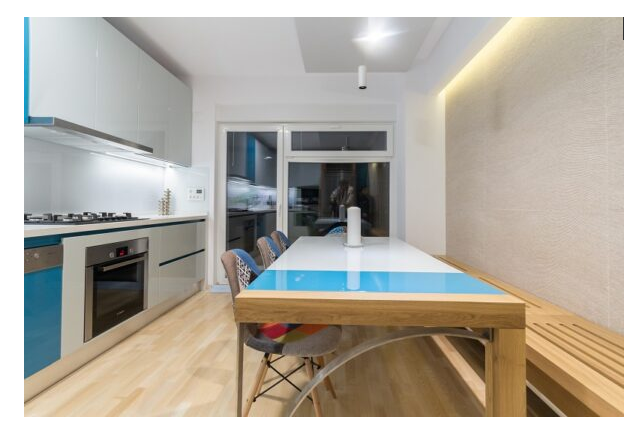
The bathroom is one of the most important spaces in the house and its arrangement deserves increased attention - the ...

Modern furnishings with color accents, in a villa in Bucharest

Alfa Invest architects have renovated a villa located in the Vatra Luminoasa district of Bucharest. The project participated in the ...

Leave a Reply

Tu dirección de correo electrónico no será publicada. Los campos obligatorios están marcados con *