Decorating a living room is one of the most fun parts of maintaining a home. The room in which we relax and welcome family and friends. It therefore deserves special attention!
Taking your personality into account is one of the first steps when thinking about decoration. If you like rock music, for example, a great option is to invest in vinyl paintings or posters.
In addition, it is essential to think about the family routine before choosing the main decorative elements. If you don’t have a lot of time to take care of the house, the ideal is to opt for objects that are functional and easy to clean.
To inspire you, we have put together 5 decorating tips to help you create a dream living room! Keep reading this article and be amazed by the possibilities!
1. Define the purpose of your living room
Defining the function of your living room is the first step when thinking about decoration. Will it be used for entertaining friends or just for watching TV? Once you have the true function of the space in mind, it becomes much easier to choose the right objects.
If your goal is to receive visitors, for example, a useful tip is to replace the table with a buffet, because in addition to being a strategic place to place snacks, the room offers more space in the environment, allowing greater circulation of people.
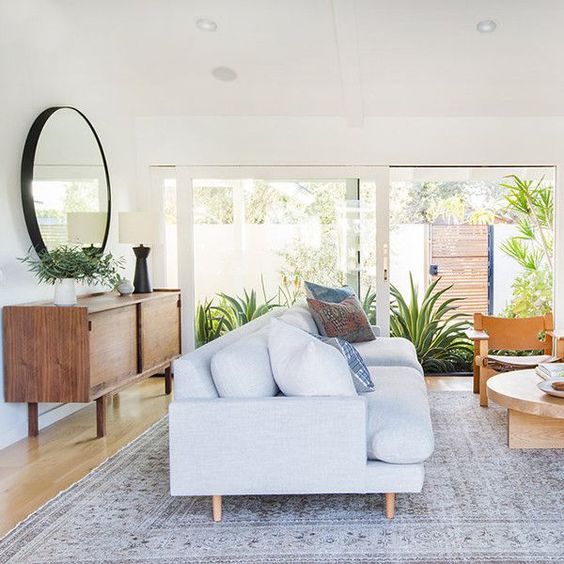
2. Invest in decorative mirrors to decorate your living room
In addition to bringing space to the environment, mirrors are excellent decorative objects: they guarantee a modern, elegant and refined look. To make the pieces stand out even more, a tip is to invest in vintage frames!
Paintings and posters are other essential objects in a living room. Ideally, you should choose illustrations based on your personality. The more romantic ones can, for example, opt for floral patterns.
3. Use wallpapers
Jokers and wallpapers are great options for creating a cozy atmosphere in the space. To avoid making a mistake, choose only one wall on which to apply the coating. This way you don’t risk polluting the appearance of the room.
The cool thing about wallpapers is that they are cheap, don’t make a mess, and are very easy to apply. It is therefore worth investing in the object in more than one room of the house!
4. Use colors in moderation
Having colorful decoration has become a trend among the most fashionable people. However, you must be careful not to make a mistake and leave your room too occupied.
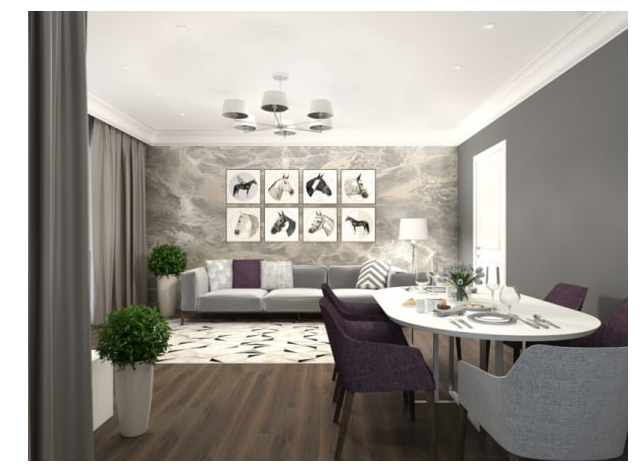
The ideal is to choose only a few colorful details, such as cushions, paintings and other decorations. Furniture in warm tones is very popular, but the advice is to opt for only one piece of furniture in this color per room.
5. Be careful with lighting
Light is an important instrument in creating the warm atmosphere that your living room deserves. Whether natural or artificial, you need to make sure that every space in the room is well lit.
Lampshades are excellent decorative items. In addition to beautifying the environment, its yellow light is able to highlight details of your room that might otherwise go unnoticed. In addition to them, candles and lamps are great charms for creating an intimate atmosphere. Check out our article with everything you need to know about lighting in your home.
The most important thing is that you and your family feel good about the decoration you choose! So invest in furniture and objects that really suit you.
Now if you want to be a little more daring in decorating your living room, don’t miss the post 9 amulets to decorate, from our partner You can find. The article is full of different options to open your mind!
The most successful living rooms are not simply beautiful spaces copied from magazines or social media. They reflect the interests of the people who live there while responding to everyday activities. Before buying furniture or decorative accessories, it is therefore useful to think about how the room is actually used.
Some families spend evenings watching television together, while others use the living room primarily for conversations and entertaining guests. In smaller homes, the same space may also function as a reading area, workspace or even an informal dining room. Understanding these habits makes every subsequent decorating decision easier.
1. Start With the Main Furniture
Large furniture pieces establish the structure of the room. The sofa is usually the most important, so its dimensions should correspond to both the available area and the number of people who regularly use it.
An oversized sofa can restrict circulation in a small living room, while furniture that is too small may leave a large space feeling empty. Before purchasing anything, measuring the room and identifying natural circulation paths can prevent these problems.
Armchairs, side tables and coffee tables can then be positioned according to the main function of the space. Ideally, furniture should encourage conversation without creating obstacles between doors and other rooms.
2. Create a Personal Focal Point
Every living room benefits from an element that naturally attracts attention. It could be a piece of artwork, a distinctive wall, a fireplace, a bookcase or a collection related to a personal interest.
Music lovers, for example, can display vinyl records, concert posters or framed album covers. Travelers might prefer photographs and objects collected from different destinations.
The objective is not to fill the room with possessions but to select a few meaningful pieces. Personal objects give the interior character and prevent it from looking like a generic showroom.
3. Choose Materials According to Your Routine
Lifestyle should influence the materials used throughout the room. A household with children or pets, for example, may benefit from resistant upholstery and surfaces that are relatively easy to clean.
If maintenance time is limited, furniture with complicated finishes and numerous decorative objects may not be the most practical choice. Simple surfaces and accessible storage can make cleaning considerably easier.
Washable or removable cushion covers can also be useful, while rugs should be selected according to the amount of daily traffic they will receive.
4. Use Color to Establish the Atmosphere
Color has a major influence on how a living room feels. Light neutral shades can create a calm foundation and make smaller spaces appear brighter, while darker colors can produce a more intimate atmosphere.
A neutral room does not have to be boring. Stronger colors can appear through cushions, artwork, rugs, curtains and smaller furniture pieces.
This strategy also makes future changes easier. Replacing several accessories is much simpler than changing expensive furniture whenever you want a different color scheme.
5. Combine Different Types of Lighting
Living rooms need flexible lighting because they are used for many activities. A single ceiling fixture rarely provides the ideal atmosphere for every situation.
General lighting can illuminate the entire room, while floor and table lamps create softer areas for reading and relaxing. Accent lighting can highlight artwork, shelves or architectural details.
Warm indirect lighting is particularly useful in the evening, when the goal is to create a comfortable and welcoming atmosphere rather than maximum brightness.
6. Add Texture for Greater Comfort
Texture can make a simple living room feel considerably richer. Wood, fabrics, rugs, cushions, curtains and natural fibers introduce visual variety without requiring many colors.
A soft rug can define the seating area, while cushions and throws make sofas and armchairs more inviting. Curtains can soften large windows and also influence acoustics and privacy.
Mixing several textures works particularly well in minimalist rooms, where decorative objects are intentionally limited.
7. Keep Storage Under Control
Clutter can quickly change the appearance of a living room. Remote controls, cables, magazines, children’s toys and everyday objects need practical places where they can be stored.
Closed cabinets can hide items that do not need to remain visible, while open shelves are better reserved for books and decorative objects worth displaying.
Multifunctional furniture can be particularly useful in smaller spaces. Coffee tables, benches and ottomans with integrated storage provide additional capacity without requiring another large cabinet.
8. Leave Enough Space to Move
Decoration should never compromise comfortable circulation. Furniture needs enough separation for people to move naturally through the room.
This is especially important in open-plan homes where the living area connects directly with the kitchen or dining room. Rugs and furniture placement can define individual zones without physically closing them off.
Leaving some empty space also gives the room visual balance. Not every wall or corner needs to contain furniture or decoration.
Creating a Living Room That Feels Like Home
There is no universal formula for decorating the perfect living room. A space designed for a large family will naturally have different priorities from an apartment belonging to someone who lives alone and frequently entertains friends.
The key is finding a balance between personality, comfort and practicality. Furniture should correspond to the dimensions of the room, materials should suit the household routine, and decorative objects should have enough space to stand out.
By designing around the people who actually use the room, rather than following every temporary trend, it is possible to create a living area that remains comfortable, functional and personal for years to come.
Latest Posts Published

10 reasons to buy an LED desk lamp
Cosmina Ruxandra Chinciu: The joy of the client when he sees that in reality
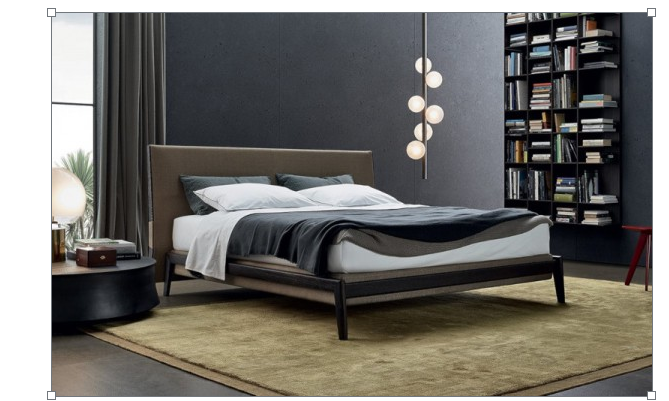
Luxury bedrooms – Poliform product
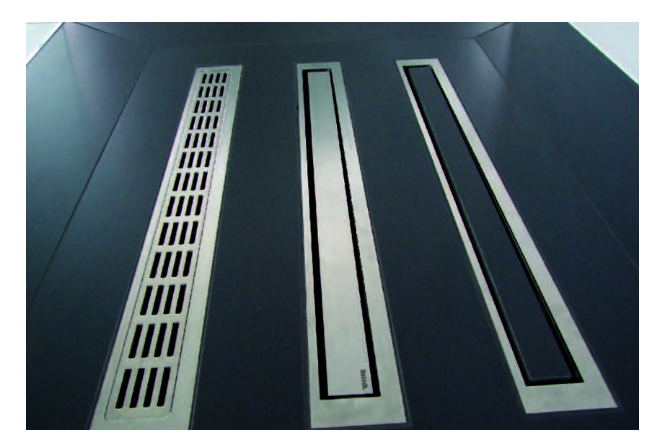
Shower with gutter – solution for continuous floors in bathroom desig
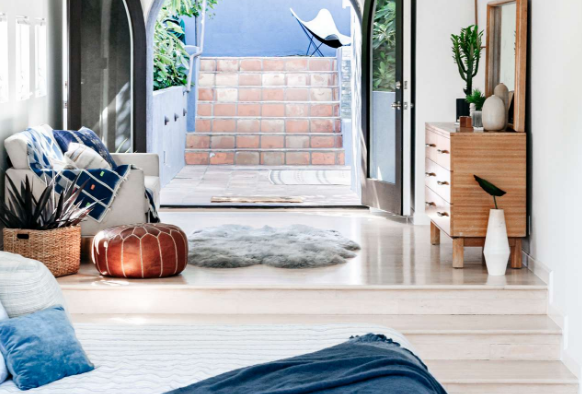
Studio layout – creative configuration solutions
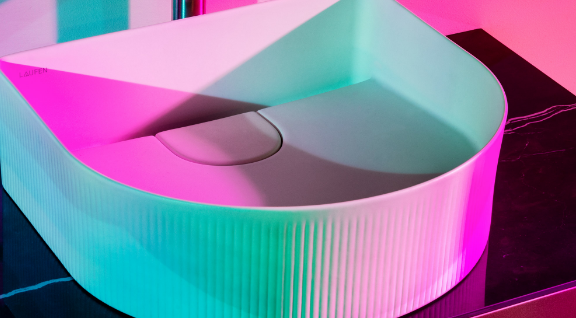
Reinventing the bathroom: Laufen’s Sonar collection sets new standards

The kitchen. The heart of the house
Living room interior design – Design styles
5 bathroom design ideas from Villeroy & Boch