Over the centuries, architecture has evolved as a language that transcends cultural and geographical barriers, carrying ancestral wisdom. Most of the solutions we use today were actually inherited from ancient civilizations who knew how to use available resources in an ingenious and sustainable way. These lessons, passed down from generation to generation, continue to influence the way we design our cities and buildings, demonstrating that the past still has much to teach us.
Oh Muharbari is a clear example of this heritage. Used for centuries in the Middle East and North Africa, it represents an ancient technique that, even amid today’s technological innovations, retains its relevance and effectiveness. More than just an ornament, this wooden trellis is proof of what ancient architectural knowledge can offer practical solutions to contemporary problemssuch as controlling heat and seeking privacy.
What is muxarabi? Discover its origins in the Middle East
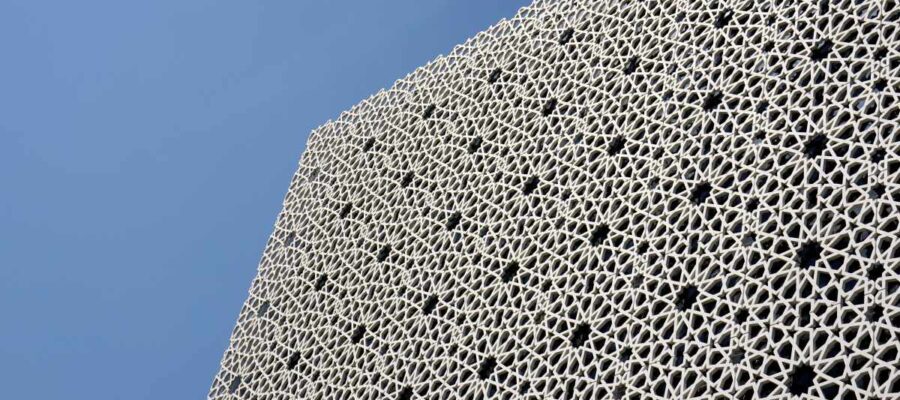
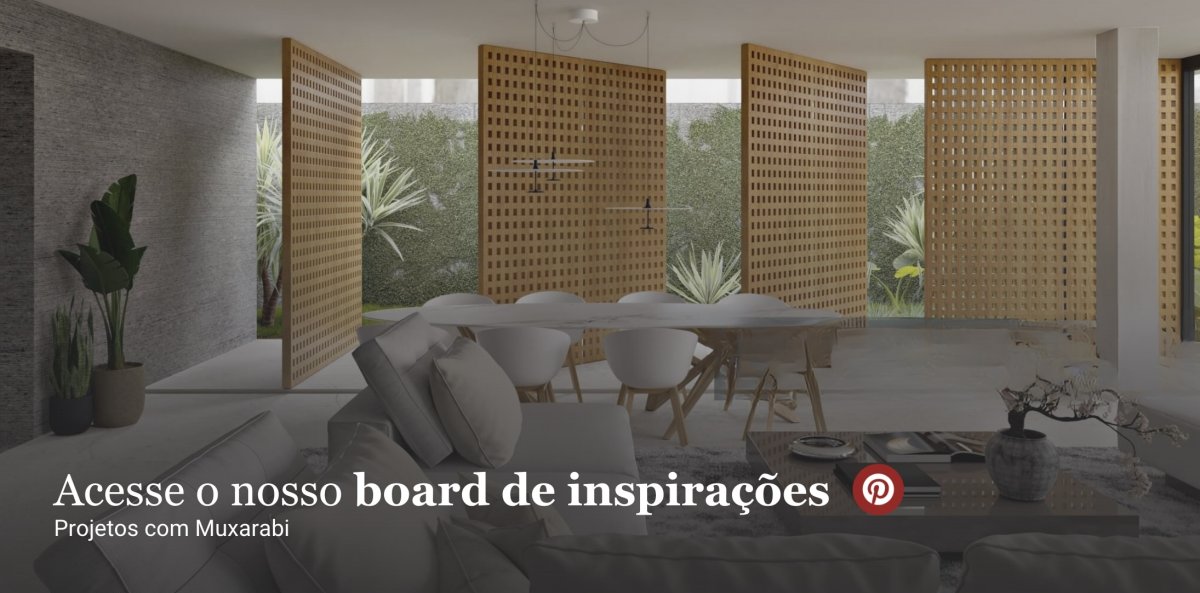
Muxarabi, also known as “moucharabieh” in Arabic, it represents decorative panels generally made of wood, with geometric or organic patterns, which allow ventilation and entry of light into internal spaceswithout compromising the privacy of the occupants. This characteristic of “see without being seen” It was widely used in homes across the Middle East and North Africa, especially in countries like Egypt and Syria, where muxarabis adorned the facades of homes and palaces.
The word “mashrabiya” derives from the Arabic term. moushabwhich means “place to drink”originally referring to a shelf with holes used to store jugs of drinking water. The evolution of this concept has brought trusses to facades, where they serve the dual function of cooling the interior environment and shielding residents from exterior views, creating a cool microclimate in regions of intense heat.
The perforated structure allows air to circulate freely, promoting natural ventilation without compromising privacy. This feature was particularly useful in traditional homes, where residents could observe movements on the streets without being seen, an important cultural practice in more conservative societies. Furthermore, muxarabi controlled the amount of sunlight which penetrated buildings, filtering the sun’s rays and protecting interiors from excessive heat.
Discover buildings around the world that use muxarabi
The use of muxarabi was not limited to small houses. Great architectural works around the world have adopted this element as a functional and aesthetic solution.
Alexandrina Library, Egypt
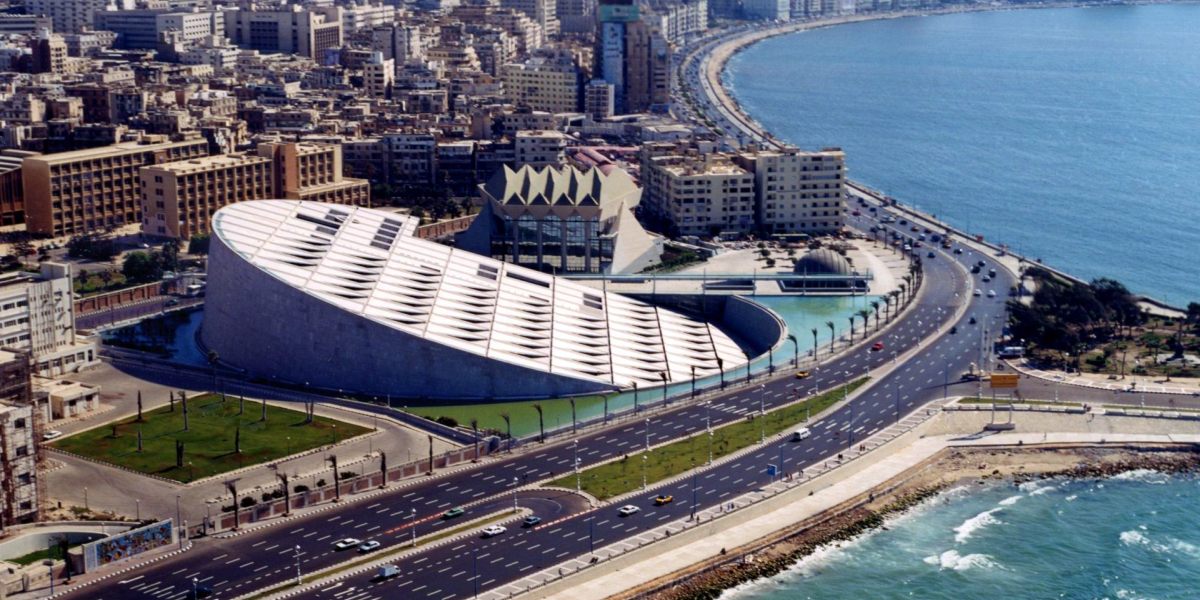
Opened in 2002, the Library of Alexandria, designed by Norwegian firm Snøhetta, is a contemporary example of how muxarabi can be reinterpreted. In some areas of the library, muxarabis-like trusses were applied to control natural lighting and provide thermal comfort in a region with a hot climate.
Arab World Institute, France
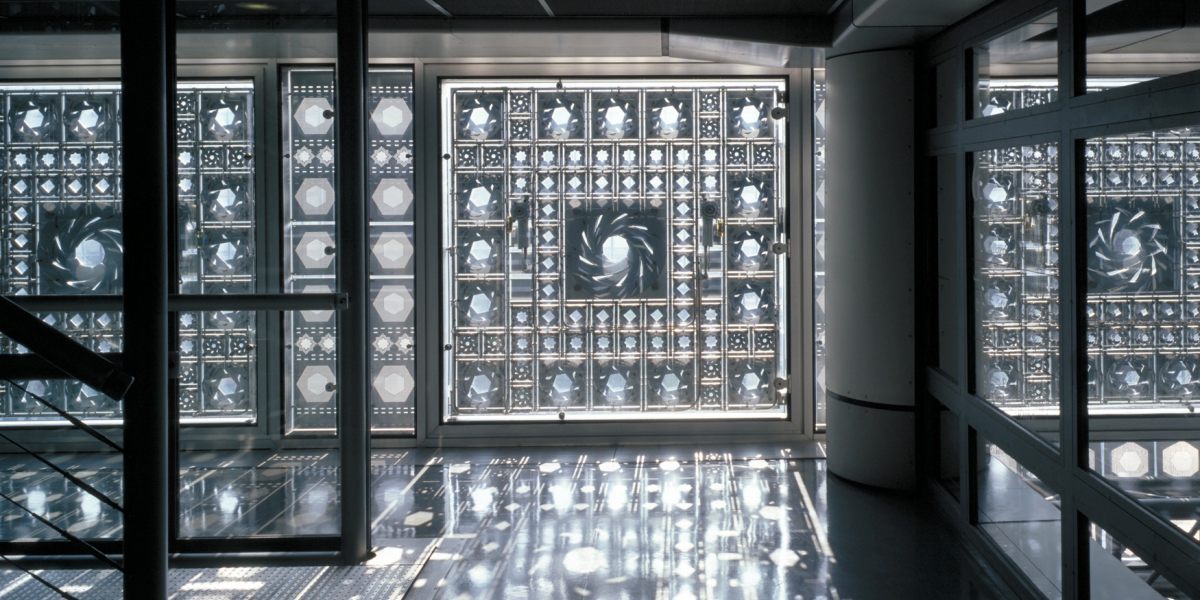
Located in Paris and designed by Jean Nouvel, the building is an icon of modern architecture that celebrates the fusion of cultures. The facade of the Arab World Institute is made of metal panels that resemble muxarabis patterns, but which use cutting-edge technology to open and close depending on the intensity of the sun, ensuring a balance between ventilation, lighting and thermal control.
Al Bahar Towers, Abu Dhabi
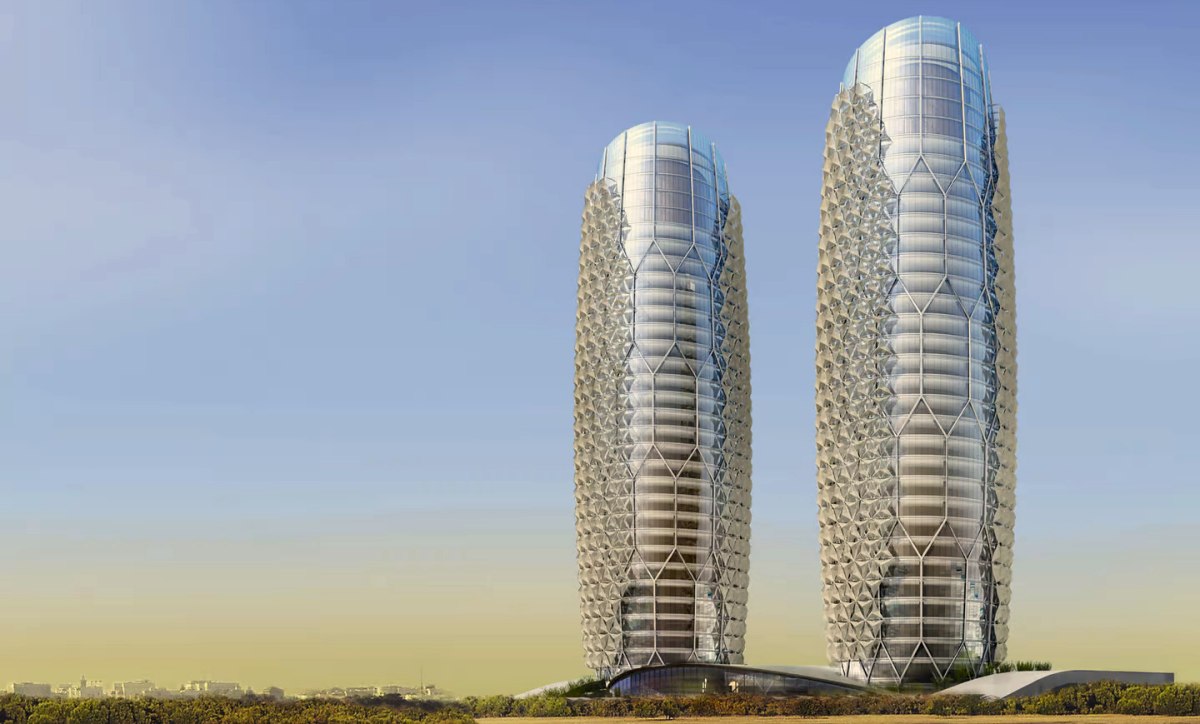
These twin towers, designed by Aedas Architects, are another striking example of the contemporary application of muxarabis. With a facade made up of a thousand movable triangular panels that open and close in response to sunlight, Al Bahar Towers is notable for its sustainable approach to shading, using principles inspired by traditional muxarabis to reduce the need for artificial cooling in an arid climate.
Mashrabiya House, Bahrain
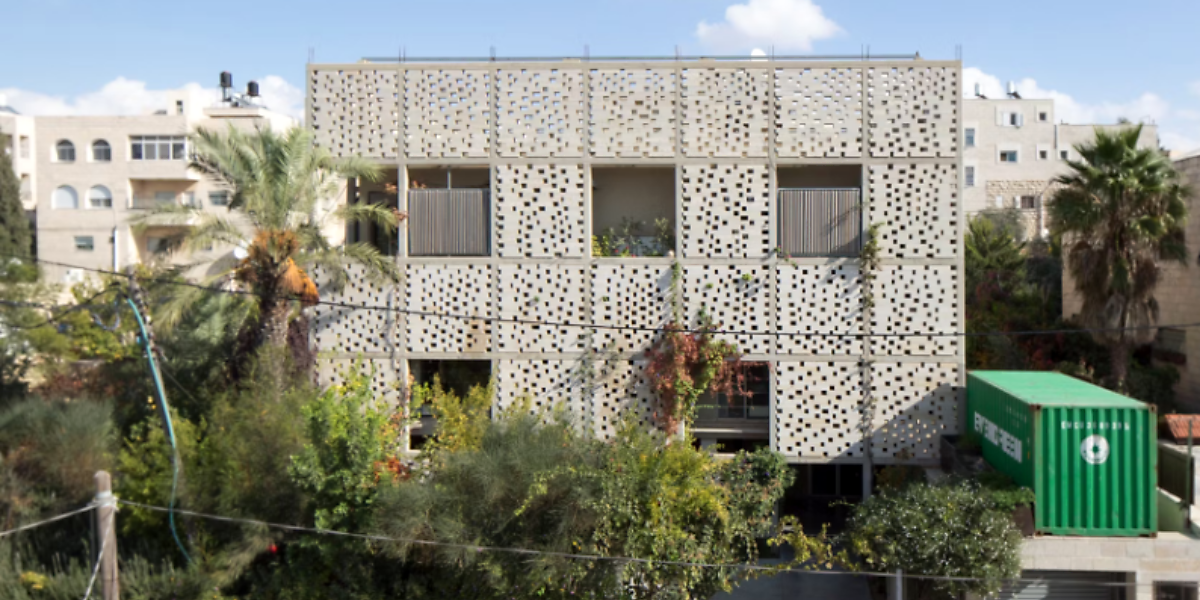
This residential project designed by the architectural firm AGi Architects was inspired by traditional muxarabis, bringing the technique to a modern residence combining privacy and thermal comfort in a desert climate. The perforated facades are an adaptation of muxarabi to the contemporary context and function to allow air circulation and soft lighting in the interiors.
KAPSARC (King Abdullah Petroleum Studies and Research Center), Saudi Arabia
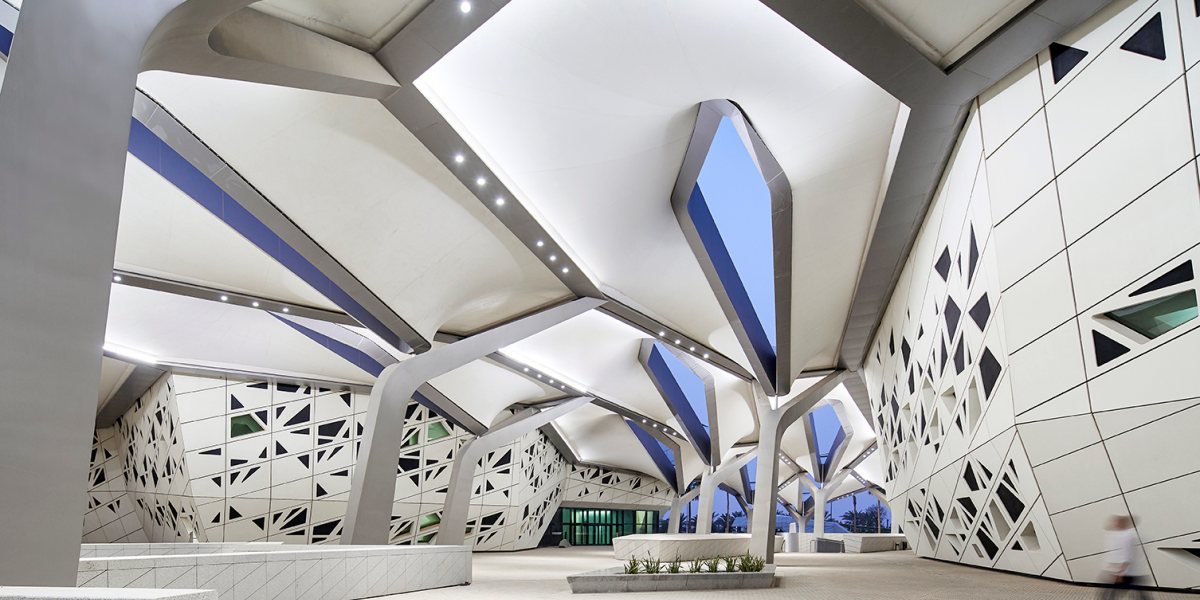
P.designed by Zaha Hadid, the study center uses trusses and facades that evoke muxarabi design in its geometric structure, promoting natural ventilation and protecting internal environments from intense heat. The inspiration in the forms and functions of muxarabis is an example of how contemporary architecture can integrate ancient principles into innovative buildings.
The influence of muxarabi on the emergence of cobogó
The concept of natural ventilation and solar control crossed continents and arrived in Brazil at the beginning of the 20th century, when architects introduced a variation of muxarabi in their buildings: the cobogo.
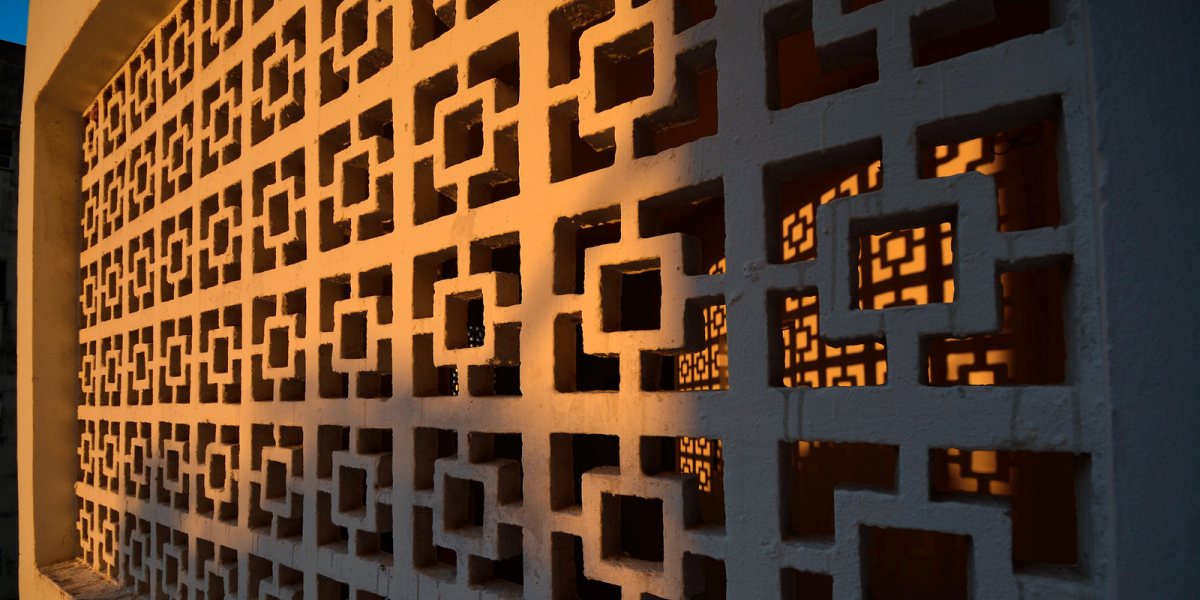
Created by engineers and architects such as Amadeu Oliveira Coimbra, Ernest August Boeckmann and Antônio de Góis, the cobogó (original name from the initials of last names of these three inventors) represents hollow elements that allow air and light to circulate in spaces, in addition to giving an interesting appearance to the facades.
Unlike the muxarabi, which is usually constructed with wood in more detailed and complex patterns, the cobogó was designed with a simpler and more modular. Its initial production in cement was later adapted to other materials, such as ceramics, glass and clay, offering greater flexibility and aesthetic variety.
Reflection: An ancient technique may be a solution to high temperatures
With global temperatures increasing due to climate change, cost-effective solutions are becoming increasingly relevant.
Recent years have been hottest ever recorded and projections indicate that global temperatures will continue to rise in the decades to come. In Brazil, the summer of 2023 recorded average temperatures above 40°C in several regions, a heat that endangers the comfort, health and safety of populations in urban areas.
In this sense, the use of natural ventilation techniques such as muxarabis can reduce energy consumptionwhich represents a positive contribution to sustainability. Additionally, they can also help fight against the phenomenon of urban heat islandswhich happens when densely built-up areas absorb more heat than natural spaces, resulting in local temperatures that are much higher than in surrounding rural areas.
Architects, town planners and designers therefore have the possibility of revisit this ancient technique and adapt it to current needs, seeking to create more efficient and more harmonious constructions with the environment. In other words, as the world warms, architecture can look to the past for answers to build a more comfortable and sustainable future.

< -count href="https://blog.casoca.com.br/muxarabi/"/>
Latest Posts Published
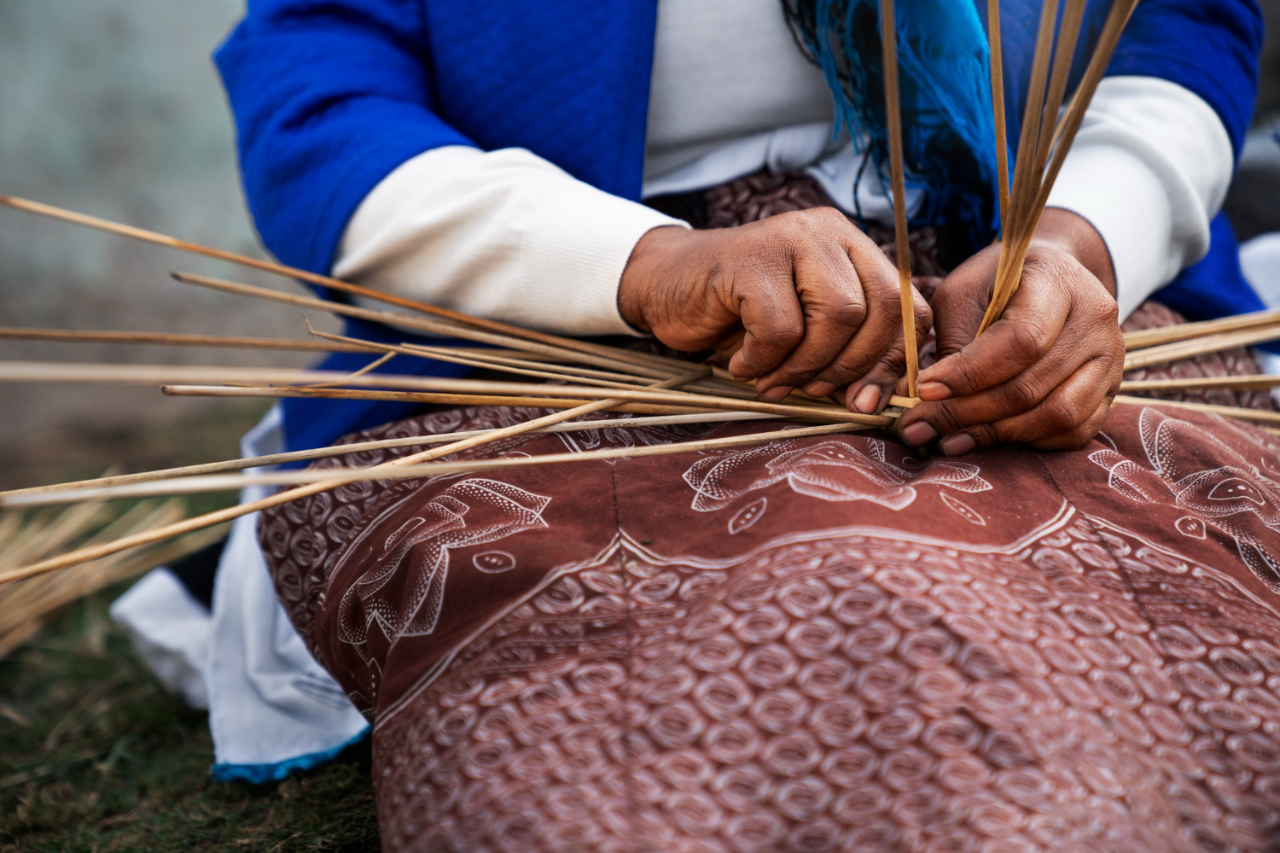
Building materials in indigenous architecture
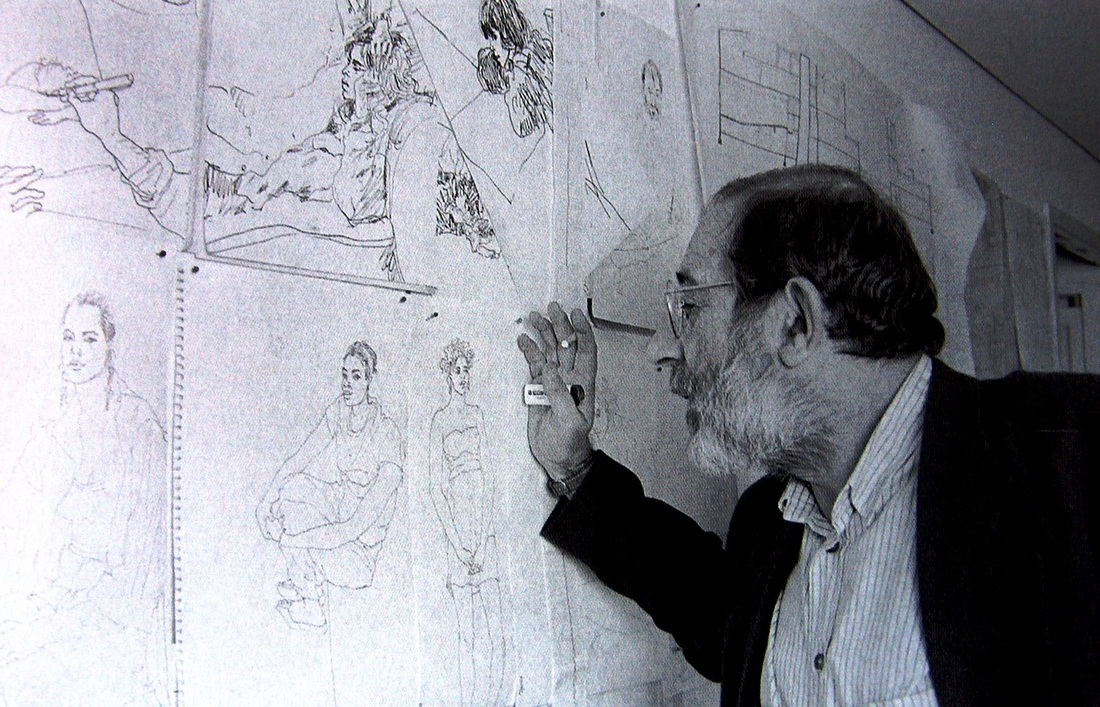
Architect Siza Vieira
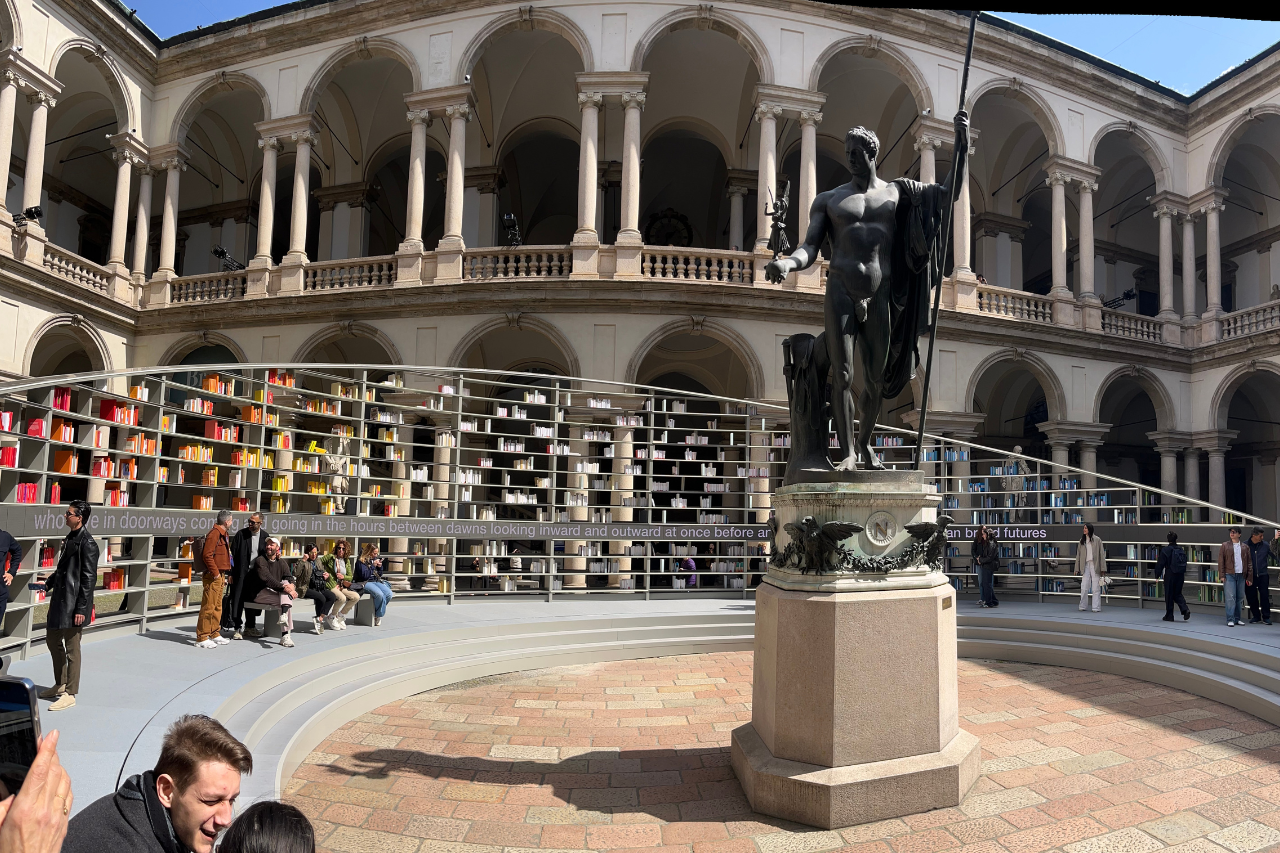
Discover the history of Milan Design Week

How to create a good closet design?

discover the program created exclusively for architects and designers
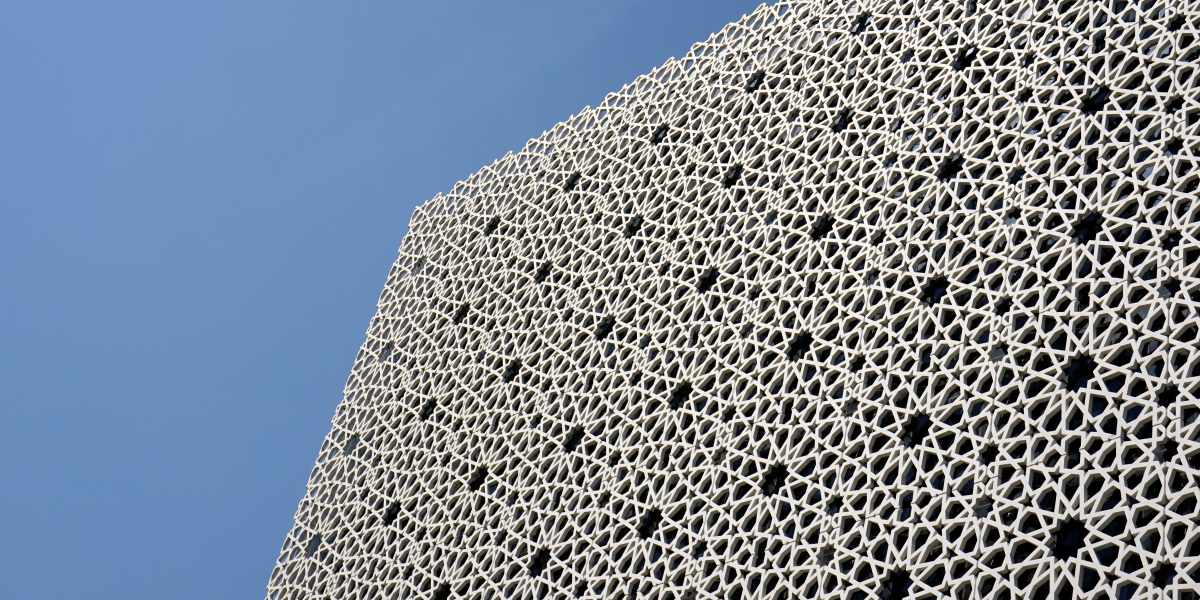
ancient tradition that turns out to be a current solution to heat
11 Great Wireless Smart Light Ideas
Development of farms and barns: rustic elegance in Tuscany

know what they are really looking for