
Modern airports have become true icons of world architecture. Far beyond the embarkation and disembarkation terminals, these complex structures represent the fusion of aesthetics, functionality and technological innovation.
Architectural design, combined with sustainable solutions and personalized experiences, transforms these spaces into cultural and technological landmarks, offering a different journey to passengers.
In this article, Casoca explores how innovative architecture is revolutionizing the traveler experience, highlighting key elements and inspiring examples from around the world.
In the past, airports were primarily functional spaces, designed to accommodate massive flows of passengers and cargo, leaving aesthetics secondary: operational efficiency was what dictated design standards.
Today, in an increasingly connected world, the reality is different. Modern airport architecture seeks not only efficiency, but also comfort, sustainability and cultural identity to accommodate a contemporary traveler who values smoother experiences.
More welcoming environments, which facilitate travel and more pleasant waiting times, transform airports into real business cards for cities and countries. Thus, these architectural projects have become international references.
Green and more efficient projects
Sustainability is one of the fundamental pillars of modern architecture and airport projects that incorporate eco-friendly solutions, such as rainwater harvesting systems, the use of solar energy and recycled materials in construction, are synonymous with innovation.
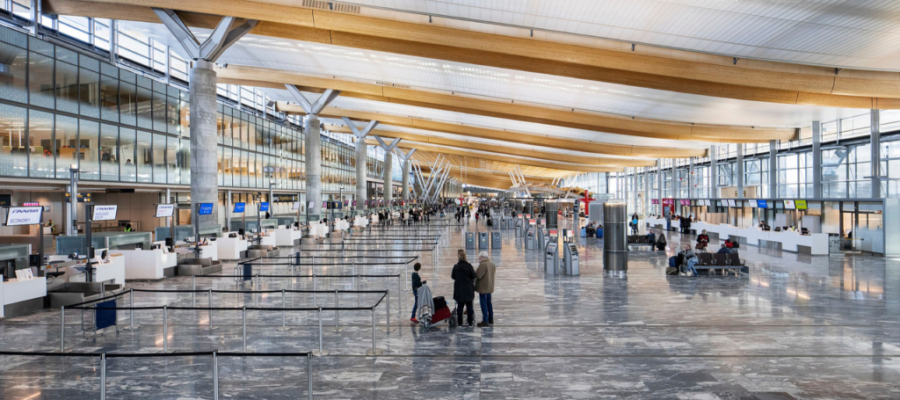
Oh Oslo Gardermoen Airportin Norway, is an example. Its design prioritizes energy efficiency with the use of sustainable laminated timber and heating systems based on geothermal energy. This integration of natural materials with cutting-edge technology has made the Norwegian airport a benchmark for global sustainability.
In addition, the presence of internal green spaces earned it the certificate “Airport with the greenest terminal in the world” by BREEAM (Building Research establishment Environmental Assessment Method).
Futuristic designs
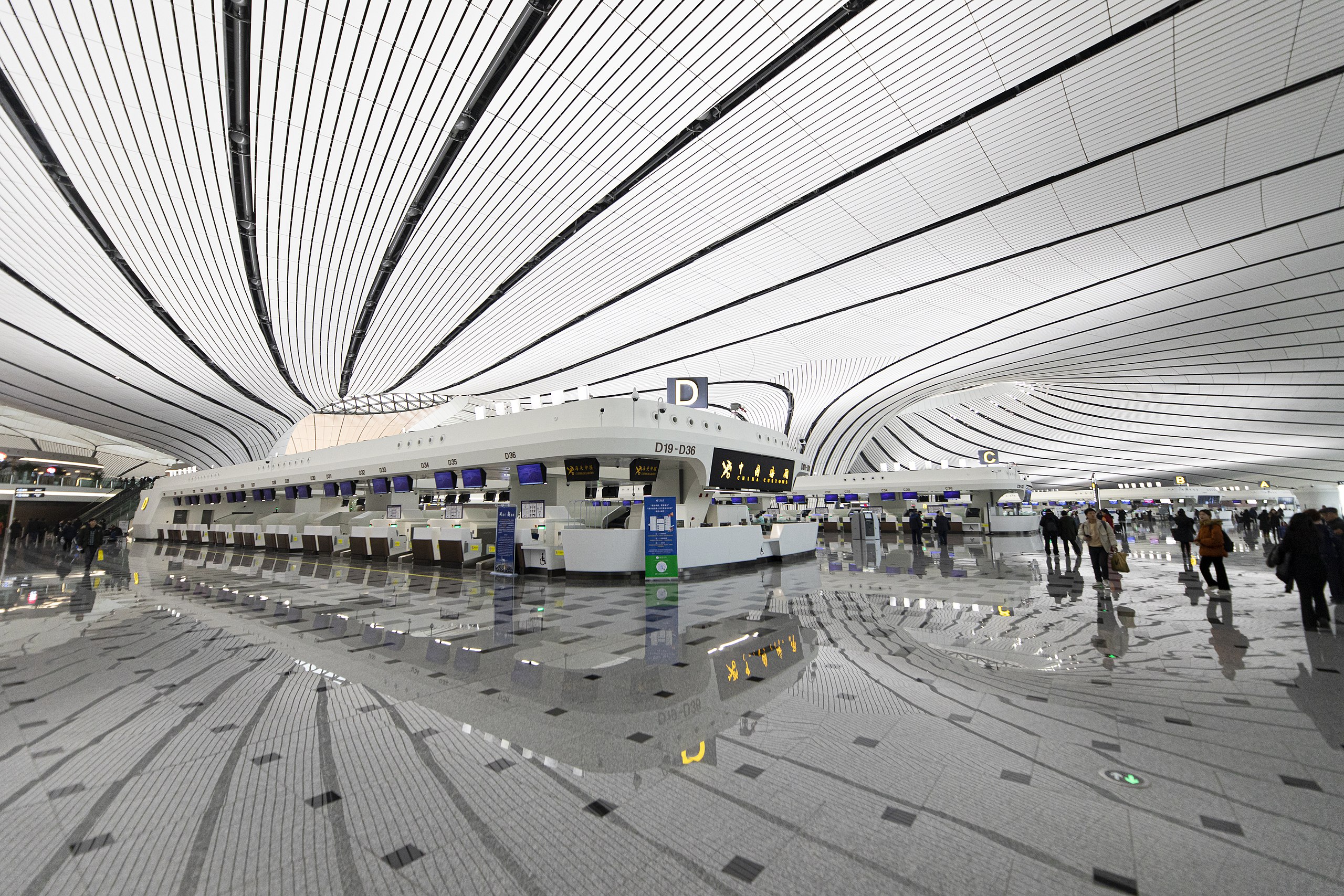
Futurism in design is a feature of many airports considered innovative. With flowing lines, impressive structures and modernity in the materials used, these projects elevate architecture to a more immersive visual experience.
Oh Beijing Daxing International Airportdesigned by the famous architect Zaha Hadid, is an icon of this style. Its star-shaped structure optimizes passenger flow and impresses with its use of natural light, its large spaces and its aesthetic combining minimalist and futuristic elements in a unique design.
The bold design is not only visually striking, but also functional, making it easier for passengers to navigate and reducing internal travel times at the world’s second largest airport.
Architecture that celebrates traditions
The pursuit of innovation in airport architecture does not mean abandoning the cultural roots of a city or country. Many projects choose to reflect local identity, creating a symbolic link between the traveler and the region.
Oh Marrakech Menara International Airportin Morocco, is an example that attracts attention. Designed by Abdellah El Ghari and French architect Claude Costantini, its architecture mixes several modern elements with traditional geometric patterns from Islamic culture and local materials such as marble.
This fusion of innovation and tradition offers a more authentic experience for a place of transit, transforming the space into a cultural symbol.
Intelligent arrangements for passenger flow
Innovation-driven airport architecture is designed to optimize the passenger experience, making travel easier with optimized and well-planned layouts.
Renowned for its effectiveness at all levels, the Incheon International Airportthe largest in South Korea and the fifth largest in the world, features automated check-in processes, automatic doors and wide corridors designed to avoid traffic jams.
This clarity of design along with more intuitive signage ensures that the time spent between check-in and boarding is reduced, providing a more agile experience.
With greater efficiency, comfort and humanized design, airports of the future are no longer simple transport hubs but are transforming into technological, sustainable and more welcoming hubs, redefining the global travel experience.
Innovations such as automated check-in, biometrics for security screening and artificial intelligence for passenger flow management are some of the expected trends for airport architecture. However, there are already airports like this.
With modern and sustainable architecture, the Abu Dhabi International Airport integrates advanced energy efficiency and resource management systems. As well as implementing automation technologies such as smart check-in kiosks and biometric security screening.
The airport is also investing in digital infrastructure, offering high-speed connectivity and IoT (Internet of Things) solutions, optimizing operations and improving the passenger experience, thereby consolidating its position as one of the world’s leading air transport hubs.
Latest Posts Published

10 reasons to buy an LED desk lamp

Cosmina Ruxandra Chinciu: The joy of the client when he sees that in reality

Luxury bedrooms – Poliform product
Shower with gutter – solution for continuous floors in bathroom desig

Studio layout – creative configuration solutions

Reinventing the bathroom: Laufen’s Sonar collection sets new standards

The kitchen. The heart of the house

Living room interior design – Design styles

5 bathroom design ideas from Villeroy & Boch