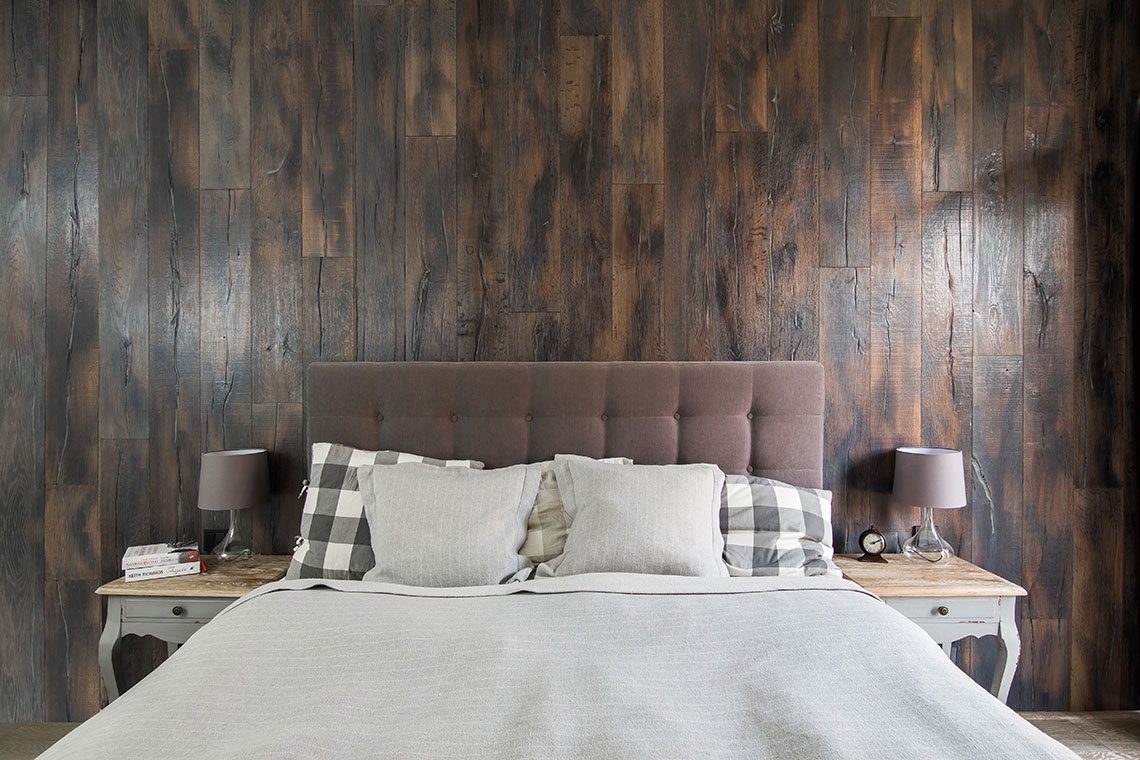
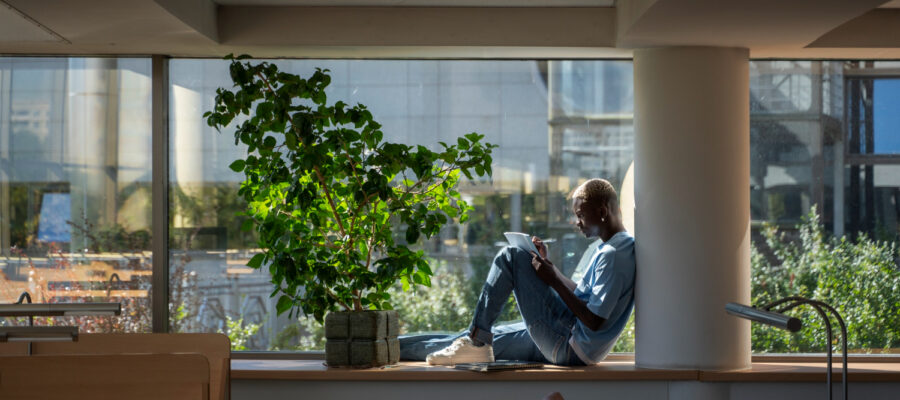
A Neuroarchitecture is a field of study that seeks to understand how architecture can influence our daily well-being when considered with concepts from neuroscience and philosophy. In addition to the beauty of the materials, furniture and designs chosen, an architectural project based on this concept can stimulate the sensations according to the needs of those who enjoy this environment.
Listen, have you ever felt lighter and more relaxed just by being in a certain space? Of course, this may be common during a pleasant visit, for example to a grandmother’s house. But when we think about Neuroarchitecture, it goes a little further, because they are considered elements to create sensory triggers happiness such as the entry of natural light, the presence of nature and even visual stimuli to increase creativity.
In today’s article, Casoca shares a little more about this field of study that is gaining ground among architects and interior designers. In addition, we invited the architect and neuroscience specialist, Lorena Barrosfor a special discussion for Perspectivas Casoca, which brings knowledge important information on the subject.
What is neuroarchitecture and how does it affect our well-being?
Neuroarchitecture is a discipline that explores the combination of concepts from architecture and neurosciencestudying how built environments can affect the human mind and behavior. The concept emerged in the mid-1990s, when professionals began to realize the importance of environmental psychology and the influence of space design on emotions and mental health.
One of the main names responsible for popularizing neuroarchitecture was the architect and psychologist. Gregory J. Carlinerwhich highlighted the need to design environments that not only satisfy functional needs but also promote psychological well-being.
In this way, neuroarchitecture relies on understanding how natural light, choice of colors, textures, shapes, space layout and other architectural and design factors impact our cognition, creativity and emotional state.
Environments designed with neuroarchitectural principles in mind can also improve productivity in the workplace, facilitate learning in educational establishments and speed up recovery in healthcare environments, such as hospitals where hospitalizations are long.
Additionally, the inclusion of natural elements to make these spaces more pleasant can reduce stress and anxiety levelsand, which contributes to a more positive emotional state. Studies related to the subject indicate that environments that promote social interactions and provide physical and psychological comfort have a direct impact on people’s satisfaction and quality of life.
Where to apply Neuroarchitecture?
Now that you know what Neuroarchitecture is and what its benefits are, you may be wondering: how and where can I apply this practice?
In recent years, spaces ranging from offices coworking Even schools and hospitals are investing in an environment designed based on the principles of neuroarchitecture and which seeks to promote the comfort of the individuals present there. According to architect and neuroscientist Lorena Barros, “bringing nature into these spaces through biophilic design can contribute to greater relaxation, calm and well-being.”
An example of this is the Copa Star Hospitalin Rio de Janeiro. Located in an urban area of the city of Rio, the space now has a solarium designed so that the patient has more contact with nature during their recovery, can observe the sky and feel the sunlight, and avoid delirium due to confinement, common during longer hospitalizations.
School environments designed to encourage collaboration and flexibility, with adaptable furniture and varied learning spaces, can also improve student attention and performance not the school domain.
Therefore, some tips for those who want to integrate neuroarchitecture concepts into their daily lives are:
- Consider factors such as acoustics, ergonomics and temperature environments, aiming for a space that welcomes and promotes well-being.
- Create environments that can be easily reconfigurable according to the different needs and interaction styles of those who use it.
- To use plants, natural light and textures like wood, even when the material is not natural, to improve the experience of individuals in this environment.
And when we talk about lighting, it is important to think that a brighter environment also helps us to have link with the stages of the day. But since not every space can rely on sunlight, a good solution is to invest in neuroillumination.
“It’s lighting based on sunlight, starting with white light that becomes more and more yellowish as the day goes on,” explains Lorena. In environments like this, where it is possible to use digital solutions such as smart bulbs, it is possible to make people feel more connected to the phases of the day, even in a closed space, which contributes to the correct release of melatonin and brings well-being and more productivity.
Learn more about neuroarchitecture with Perspectivas Casoca
In conversation with the Casoca team, architect and specialist in neuroscience applied to architecture, Lorena Barros, explains how neuroarchitecture can help understand the reactions of the human brain to the environments around it.
And if you are not yet subscribed to our communication channels, Come be part of the Casoca community. Here you can stay up to date with all the news and trends in architecture in Brazil and around the world!

< -count href="https://blog.casoca.com.br/neuroarquitetura/"/>
Latest Posts Published

Building materials in indigenous architecture
Architect Siza Vieira
Discover the history of Milan Design Week

How to create a good closet design?

discover the program created exclusively for architects and designers
ancient tradition that turns out to be a current solution to heat
11 Great Wireless Smart Light Ideas
Development of farms and barns: rustic elegance in Tuscany

know what they are really looking for