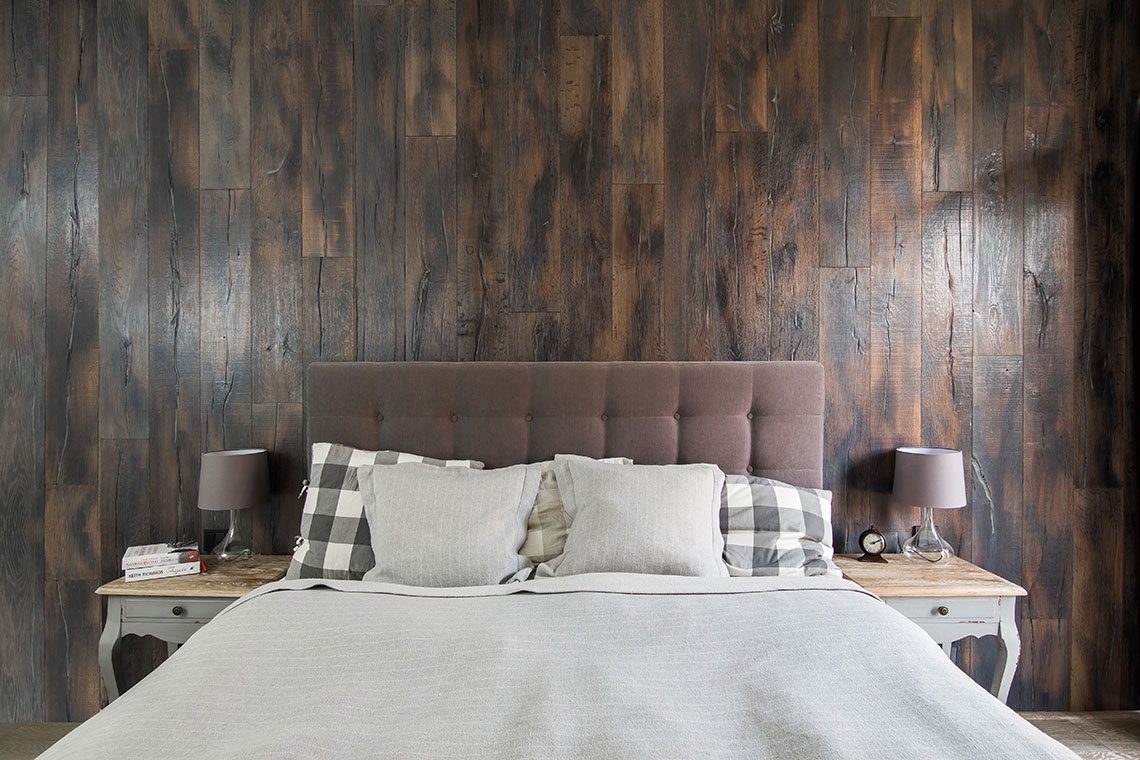
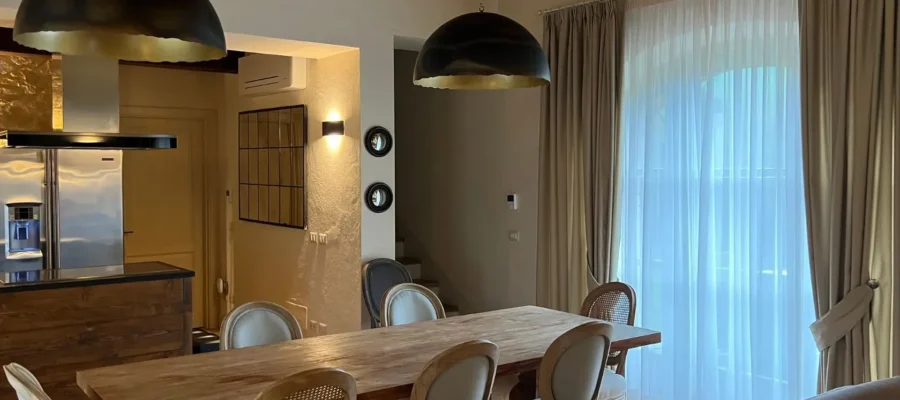
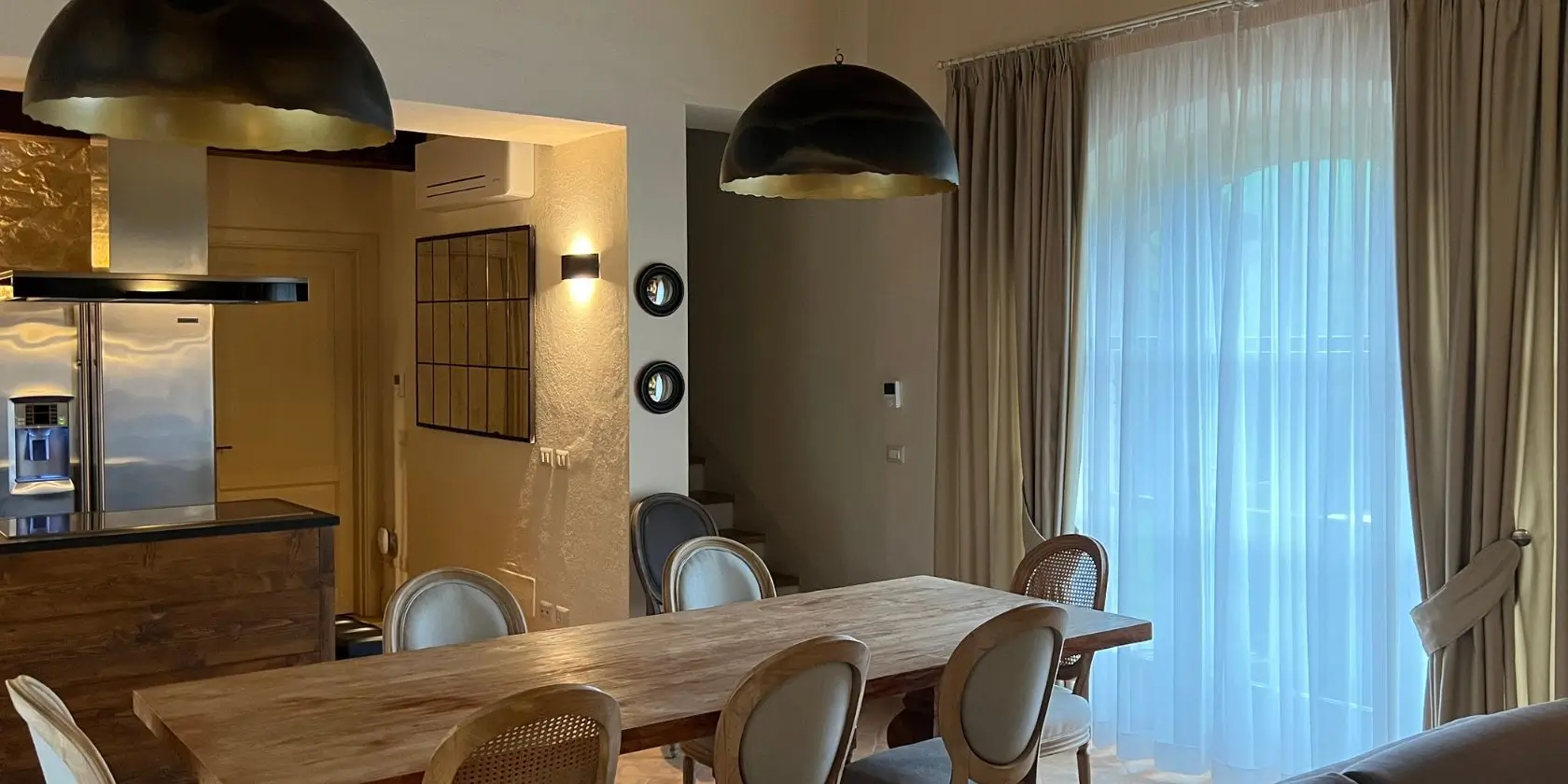
In the heart of the picturesque Tuscan hills, among vineyards and olive groves, hides a corner of paradise where we had the opportunity to carry out a very interesting textile furnishing project. The project in question was born in a historic farmwhere earthy colors mingle with traditional architecture to create an environment that speaks of rustic elegance And domestic heat.
The challenge of decorating in rustic spaces
Landscaping farms and barns presents a unique challenge: respect and enhance the historical and natural context in which they are located. Each project requires careful dialogue with the surrounding environment. When guests come from abroad, they often want an authentic experience that reflects the beauty and history of Tuscany. We respond to these needs by maintaining a common chromatic and stylistic thread that not only adapts, but highlights the nature of the property.
To achieve this, the use of natural textile textures are essential. Fabrics such as linen and wool, in their different weights and shades, offer the perfect combination of rusticity and sophistication. Light and neutral colors avoid visually weighing down spaces, letting natural light play a key role. This approach preserves and enriches the historic atmosphere of the farms, creating an environment that is both contemporary and deeply rooted in local traditions.
The role of textiles in staging
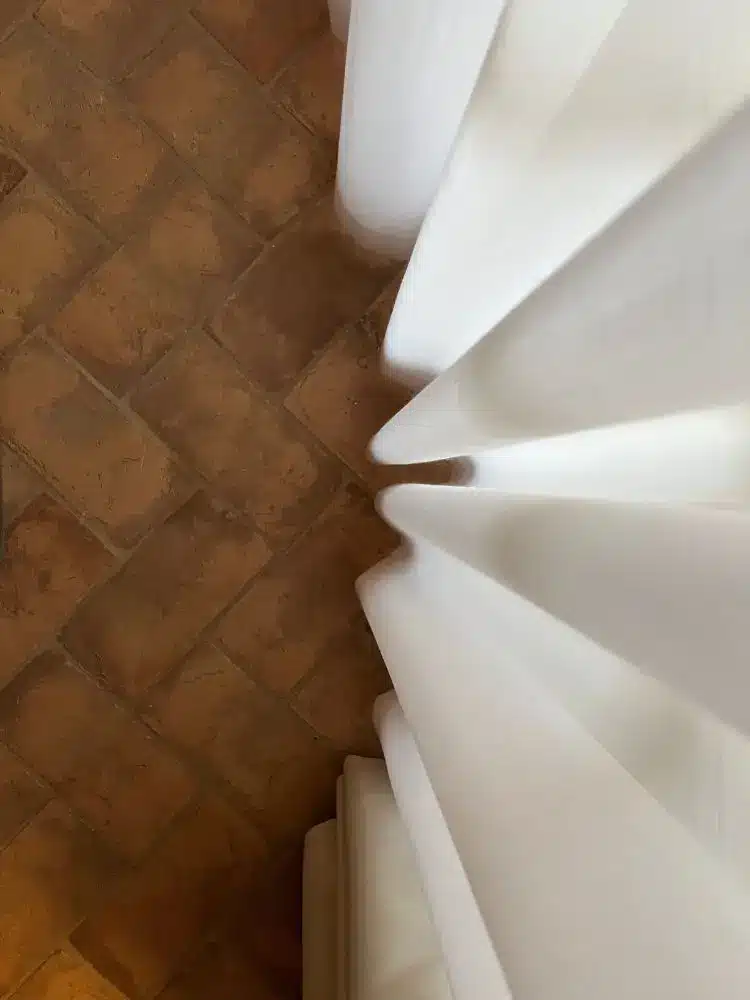
When it comes to furnishing farms and barns, the choice of fabrics plays a crucial role in creating a welcoming and authentic environment. For projects in rustic spaces, we use a wide range of fabrics that offer countless combination possibilities.
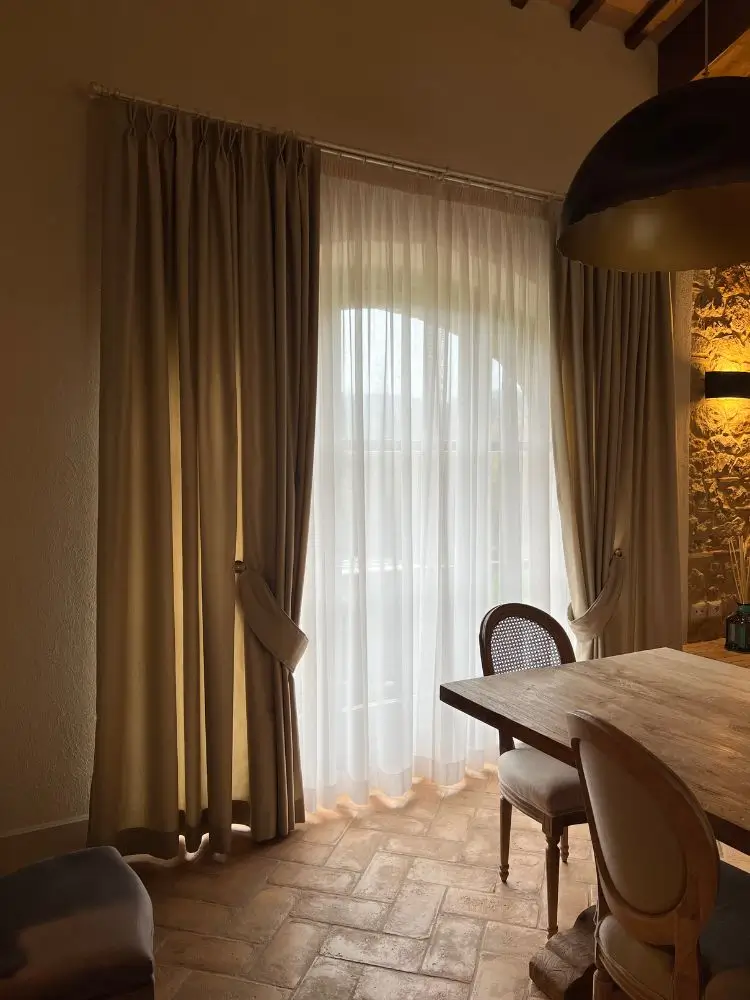
Natural threads are particularly appreciated for their ability to blend harmoniously with the traditional elements of Tuscan farmhouses. Household linens of different compositions, soft wools And light filtering fabrics are ideal for creating curtains that add warmth and texture without visually weighing down spaces. These natural materials, available in neutral and earthy tones, reflect the rustic and relaxing aesthetic of the environment.
In addition to natural fabrics, there are also synthetic fabrics available on the market today that mimic the appearance of natural materials but offer additional benefits. These fabrics, resistant to light and wear, are perfect for environments where durability is required. Often chosen to furnish rooms in hotels, hotels, residences and other commercial premises, these materials meet not only aesthetic requirements but also technical requirements, such as fireproof And ease of maintenance.
Design solutions adopted
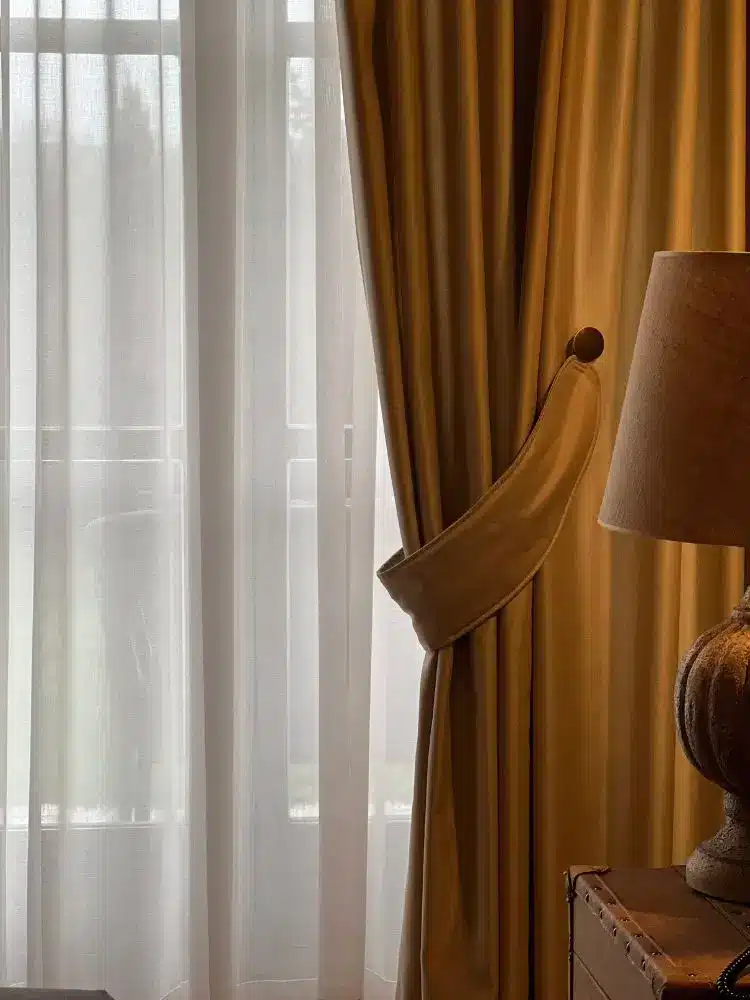
Besides the choice of fabrics, other details also determine the success of a textile furnishing project for farms and barns. For example, the curtain installation system should blend harmoniously with existing furniture. In farmhouses, where furniture often features rustic elements and natural materials, we like to opt for rods with wall rings, with finishes that echo existing details, such as wrought iron or natural wood.
THE curtain stitching type is another important aspect. The stitching influences the final appearance of the curtain and must be chosen carefully to complete the desired look. With a wide range of options, from simple to elaborate stitching, each design can be customized to meet aesthetic and functional needs. The addition of embroidered trimmings, handcrafted by renowned brands such as Travers and Houles, offers additional customization possibilities, creating stylistic connections that tie the entire project together.
Promote Tuscan authenticity
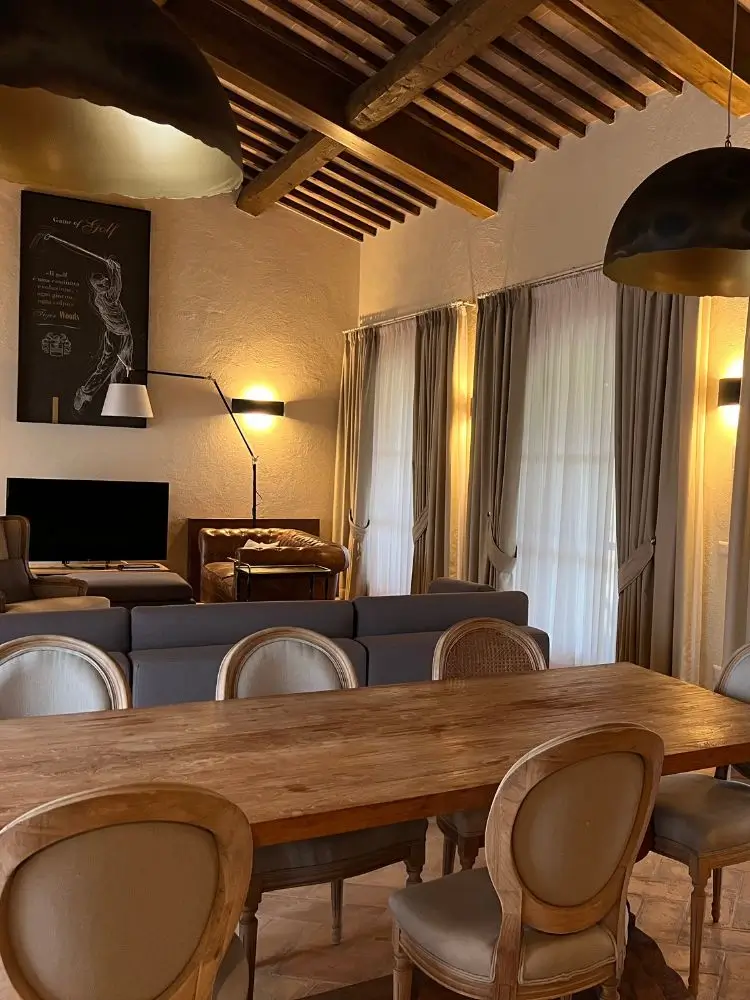
The interior architecture of Tuscan farmhouses is intrinsically linked to the rural tradition of the region. Items such as exposed wooden beams, terracotta floorsAnd rustic wooden furniture are not only decorative, but tell a story of durability and affection passed down from generation to generation.
Local fireplaces stone, such as travertine or pietra serena, and wrought iron details found in chandeliers and balustrades add an artisanal touch that celebrates local craftsmanship.
Zefiro Interiors works to integrate these characteristic elements into the textile solutions offeredshowcasing the authentic aesthetic of Tuscan farmhouses. The choice of fabrics and finishes not only complements the existing architecture, but enhances it, creating an environment that is both warm, welcoming and true to its history.
Latest Posts Published
Building materials in indigenous architecture
Architect Siza Vieira
Discover the history of Milan Design Week
How to create a good closet design?

discover the program created exclusively for architects and designers
ancient tradition that turns out to be a current solution to heat
11 Great Wireless Smart Light Ideas
Development of farms and barns: rustic elegance in Tuscany

know what they are really looking for