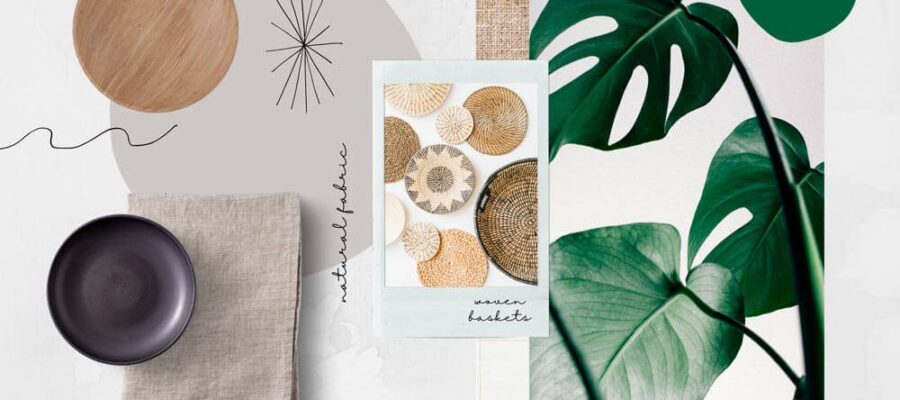
Developing space and environmental projects is a challenge. Therefore, finding ways to help creative process of a project is perfect for optimization of time, delivery of results and a positive customer view of the final product. And in order to help you in this mission, we have prepared some very interesting content for you on the mood board, this simple and effective methodology which guides projects.
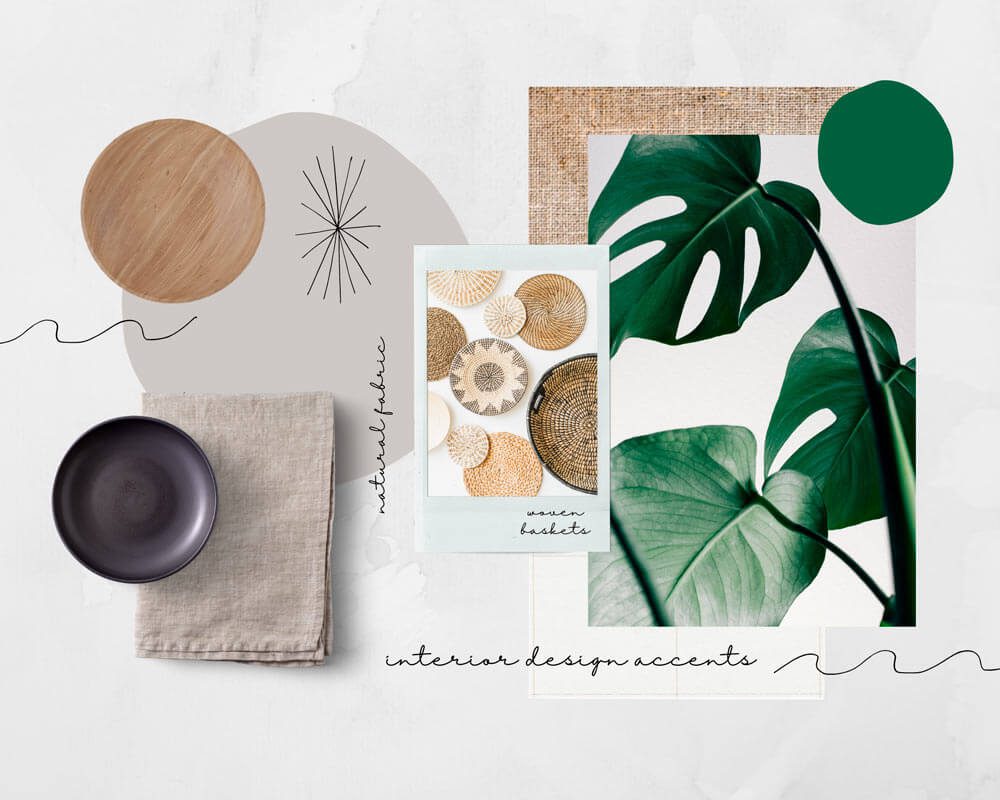
But after all, what is a mood board?
The mood board is a tool used by professionals such as architects, interior designers, graphic designers, among others. This helps a lot in building concepts and ideas in a creative process.
This tool can be translated as “mood board” or “inspiration board” and allows its creators to use clippings of images, videos, vectors, brands, products and other elements to compose a work. In other words, this technique allows the predefinition of a project before its execution.
We can define the objective of the mood board as a means of translating a person’s personality through elements. And through the application of the technical knowledge of environmental professionals, project preparation and implementation become more viable. In addition, the mood board can be produced in a fixed or digital format.

What are the advantages of using the mood board?
One of the great benefits of using a mood board in a creative process is optimizing time and organizing ideas. Because by using this type of wall fresco with references, you guarantee that the end of your project goes as planned.
But in addition to this advantage, we list here two other advantages which will make all the difference when preparing your projects:
– Harmonization of environments
Appreciating a finished, well-made project is the most beautiful thing in the world, isn’t it? But getting to this stage is sometimes complicated, because when you forget this project idea, there can be a harmful mix of tastes and styles.
Therefore, using the mood board in your creative process and clearly visualizing the colors, textures and elements that will shape your project provides more harmonious environments.
– Elimination of future breakdowns
In addition to better organizing your ideas, using a mood board contributes to clarity to eliminate any proposals that do not match your project idea. Indeed, this tool helps to define the details when creating a project, and any concept that conflicts with the chosen concept is already irrelevant.
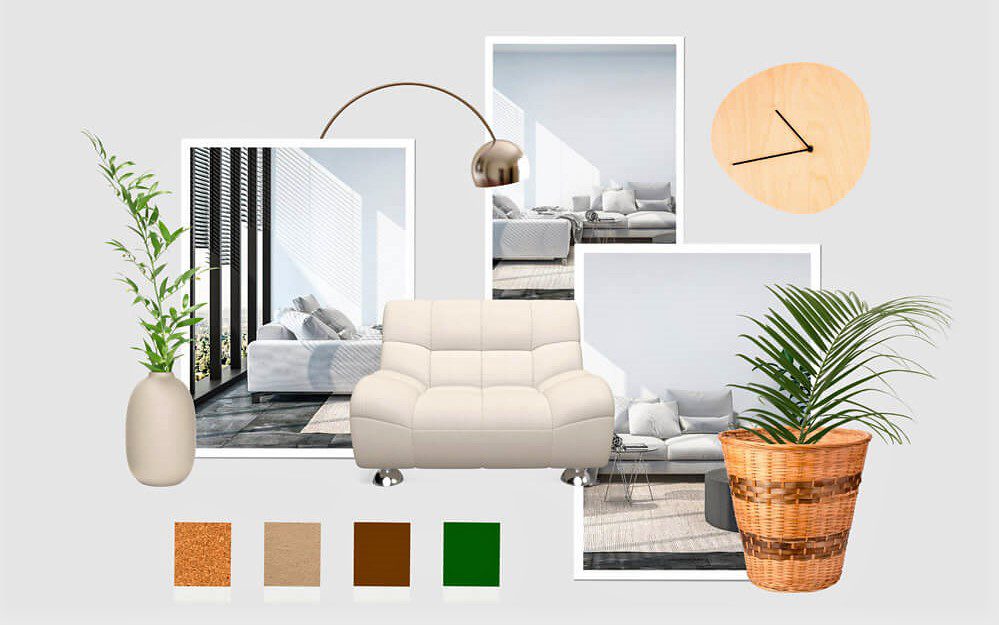
How to use the mood board in practice?
Now that you understand what a mood board is, its purpose and features, it’s time to teach yourself some practical tips on how to use this tool to your advantage. Check it out below:
1 – Define the design you want to use in your project
Will your project be classic or modern? With lots of details or minimalist? One of the first steps in developing your project using the mood board is to define the design style it will have. By doing this, you will be able to better contextualize your idea and the elements you will use.
2 – Choose color palettes and textures
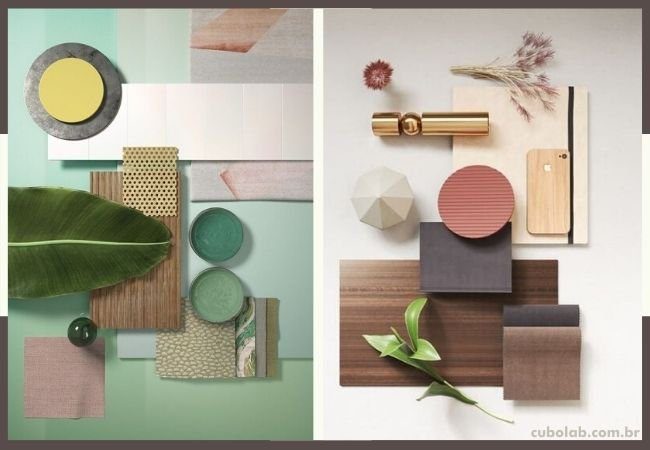
Choosing color palettes is essential when creating your mood board. This allows you versatility in creating environments, that is, the bedroom in your project does not necessarily need to have the same color as the living room, it can contain different combinations. But one detail cannot be forgotten: the color palette must complement the project in its entirety.
And when it comes to texture, this versatility is even greater, because you can adapt textures to any object, you don’t need to limit yourself to building textures, like bricks and marble, for example.
3 – Use resources other than images
We already know that pictures are worth a thousand words. But when it comes to mooboarding, what makes a project even more valuable is the use of videos. That’s right! If you use the mood board digitally, inserting videos to better define and express the personality of your project is something very cool.
4 – Have references
If you’re feeling inspired to start a project, now is the perfect time to take action.
You can explore all the references you have to pass on to your client and of course listen to what they have to say. Because everything that concerns the client’s personality regarding the project must be taken into consideration here.

5 – Review the mooboard material
When it comes to creating a mooring, haste is literally the enemy of perfection. Therefore, do not worry about finishing the material in one go, nor do you worry about knowing the customer’s opinion on it.
Create your mood board, review it, fix what needs to be fixed and then show the result to the client.
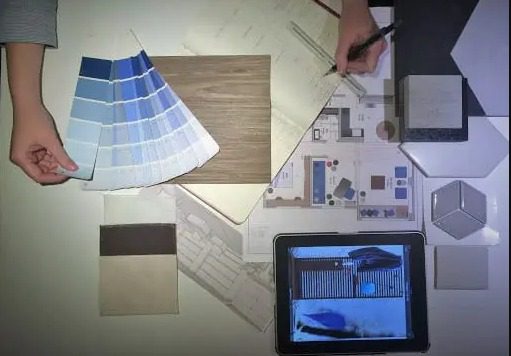
Should we practice?
Now that you know how the mood board is a real ally in creating successful projects, how about giving free rein to your creativity now?
Oh, and don’t forget, to stay up to date with the latest news and trends in the architecture and decoration market, simply follow our weekly content. We are always here to help you!

< -count href="https://blog.casoca.com.br/acelere-o-processo-criativo-dos-seus-projetos-com-moodboard/"/>
Latest Posts Published

Building materials in indigenous architecture
Architect Siza Vieira
Discover the history of Milan Design Week
How to create a good closet design?
discover the program created exclusively for architects and designers
ancient tradition that turns out to be a current solution to heat
11 Great Wireless Smart Light Ideas
Development of farms and barns: rustic elegance in Tuscany
know what they are really looking for