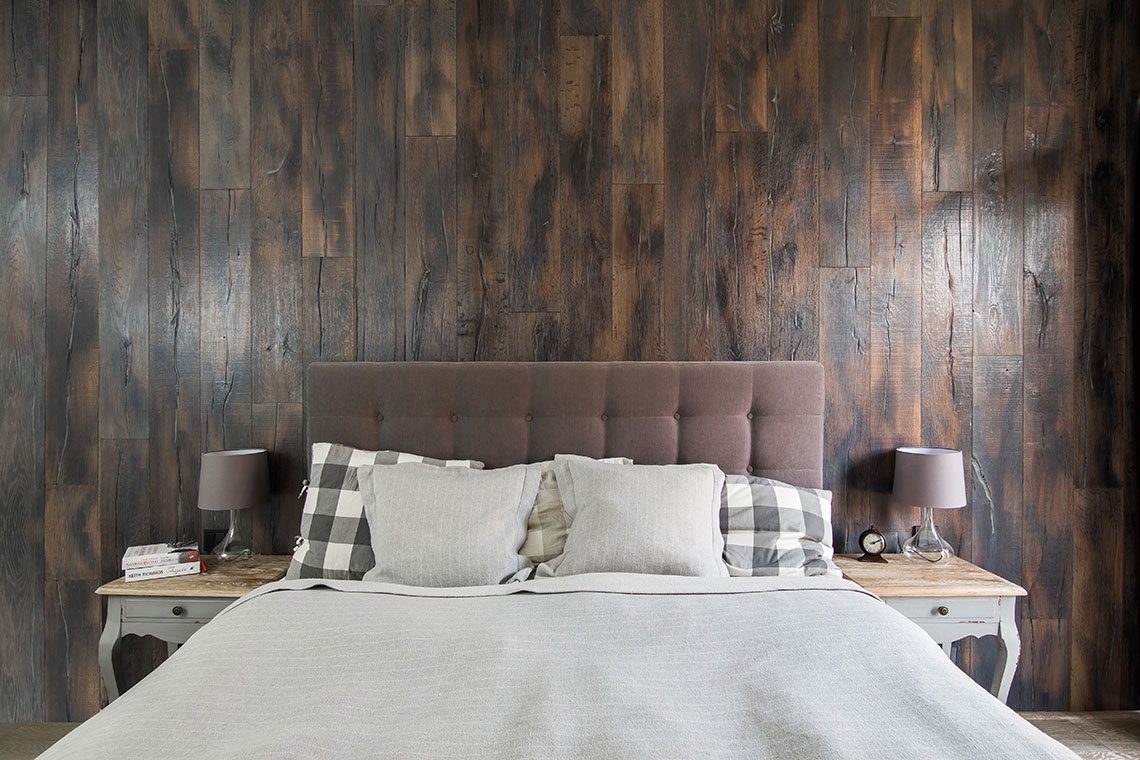
There are many details we need to pay attention to when developing a lighting design. As architects and designers, our goal is to achieve a good balance of light to enhance environments, highlight elements and awaken emotions.
As Oscar Niemeyer pointed out: “Good lighting enhances mediocre architecture, and bad lighting ruins the best design.”
The visual comfort created by light can impact a project in several aspects. Good lighting plays a fundamental role in how people feel: a very dark place can be depressing, while a place with too much lighting tends to be boring.
In partnership with the SAVE ENERGYwe invite you to Lighting designer, Junia Carsalade, who has been working on lighting projects for over 35 years. In this text she will clarify some doubts and give valuable advice on the subject. Do you want to learn? Keep reading!
1. No two projects are the same
When we talk about lighting designit is important to remember that everything influences the lighting. Nothing can go unnoticed and you have to take into account the height of the ceiling, the color of the walls, the texture of the floor, the finishes of the furniture, etc.
The projects are very personalized, so there is no magic formula. After all, all decisions are made based on the profile of each client, the intentions of the architect and the particularities of the environment. This gets us, architects and designers, to think about what unique elements make sense in this situation.
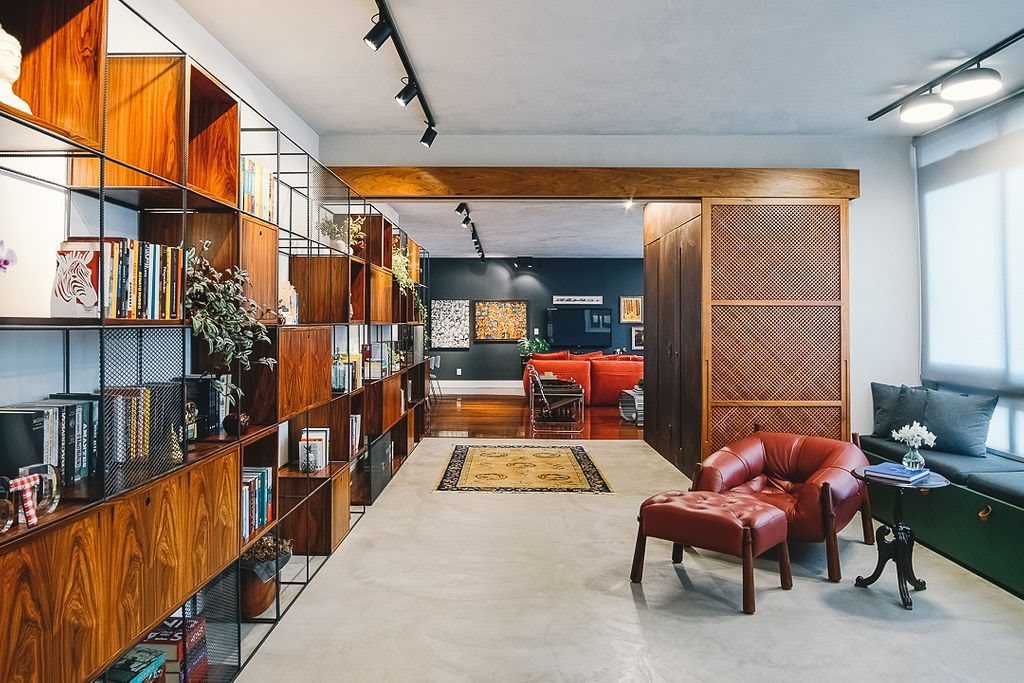
The result appears in the form of a differentiated project, transforming buildings and environments into particularly pleasant and useful places for those who use them.
2. Use Approximate Color Temperatures
In residential environments with integrated social spaces, such as a kitchen with a living room, it is common to have doubts about which color temperature to use. This happens because each space has its own functionality and requires different light intensities.
So, take note of this golden tip from Junia: do not use different color temperatures in the same environment!
Using this integration example, she explains that she always uses lamps with a temperature between 2700K and 3000K. What we need to worry about is the intensity of the light, especially when it comes to a work area. With this specification, the light will always be yellowish, but with different intensities, depending on the need to use the environment.
In cooking, the intensity must be higher. In the living room, which is a leisure area, the light can be softer. You can take advantage of this to highlight a painting or decoration, the idea is to use less utilitarian lighting. “In this type of case, I always use diffused indirect or direct mixed light”Junia explains.
3. Leave resources for future changes
At the start of a project, the finishes, textures and colors that will make up the environment are often not yet defined. And we know that these variables greatly influence the ambient lighting. Therefore, it is very important to leave certain resources prepared for possible changes to the project.
This means you have to leave extra electrical resources, or even wires, that will be on the plaster. Junia says that in her projects she usually specifies an extra wire of about 2 meters, to make it easier to find.
Therefore, if you have reached the end of the work and want to complete the number of light points somewhere in the environment, just use this resource. From where it is located, simply make an opening in the plaster and it will be removed. This makes it easier to install new parts, without having to spend time on another project.
4. Pay attention to reflection and glare details
We’ve already talked about how extremely important it is to pay attention to detail in a lighting project, but what about when it comes to something you can’t predict, like the details of reflection and glare?
Junia explained with a great example. Nowadays, it is common to place LED strips behind mirrors. If this light is directed upwards, towards the ceiling, there is no problem. It is an excellent source of uniform indirect lightwhich allows you to evenly illuminate a person’s face. It’s an excellent alternative to makeup, for example.
The problem lies in the specification of the light going around the mirrorespecially when she is directed downward. Often we don’t pay attention to the fact that the bottom surface is made of reflective material (stone countertops and floors, for example). If you specify a common downward-facing LED strip, it will reflect onto the countertop, marking each light point.
But for everything we have a solution! Currently there are ultra-thin and delicate profiles, such as LED strip profile with milky white acrylic And SAVE ENERGY. This will reflect on the stone, but in a linear and uniform manner. In this way we remove the marking effect of the LED points.
These little details make all the difference in a project!
5. Refine the completed project
Another distinctive feature of a good lighting project It’s refinement. Junia insists on completing this task personally and says she doesn’t see this happening with other professionals in the industry.
Once the work is completed and the client has moved into their new home, it is common for them to complete the decoration with personal items, such as paintings, objects, etc. After this step, he goes into the environment and fixes everything. lighting by directing the light at right angles.
At the start of the project we idealized all the light points and defined the role of each of them. However, when the electrician installs the parts, he does not direct the lights to a specific location. Your role as a professional is to have the sensitivity to make these adjustments once the house is assembled and everything is installed. It is extremely important that this happens, because refinement completely changes the lighting and therefore the sensations in an environment.
With beautiful words, Junia highlights how light has an important impact on a project: “Light must be valued, it must be added, it cannot be something that bothers you. It must be magical! There’s no denying that she’s absolutely right, right?
We hope these tips help you create yours lighting design and that you pay attention to these 5 points.
A SAVÉNERGIE offers the best in LED technology, made in Brazil, developing and manufacturing lighting products which elevate people’s lifestyle. Want to know the best? We have their 3D blocks available on Casoca! Take advantage of it and make your project even more complete and enlightened.
Latest Posts Published

Building materials in indigenous architecture
Architect Siza Vieira
Discover the history of Milan Design Week
How to create a good closet design?
discover the program created exclusively for architects and designers
ancient tradition that turns out to be a current solution to heat
11 Great Wireless Smart Light Ideas
Development of farms and barns: rustic elegance in Tuscany
know what they are really looking for