If you are new to the field of architecture, you may have come across certain terms or techniques that you are not yet very familiar with. And one of those terms may be bioarchitecture.
This existing way of designing places that can be homes, offices or large buildings is still a relatively new term in the world of architecture, so don’t worry, we are here to help you get to know this methodology better.
What is bioarchitecture?
Also known as organic architecture, bioarchitecture involves creating more sustainable projects directly linked to nature. The main objective of this type of projection is to align the ecosystem with the necessary constructions.
Bioarchitecture promotes living environments that preserve the environment through project ideas that eliminate risks to nature or harm society. In other words, this methodology aims for complete harmony between people, the environment in which they live and the spaces they inhabit.

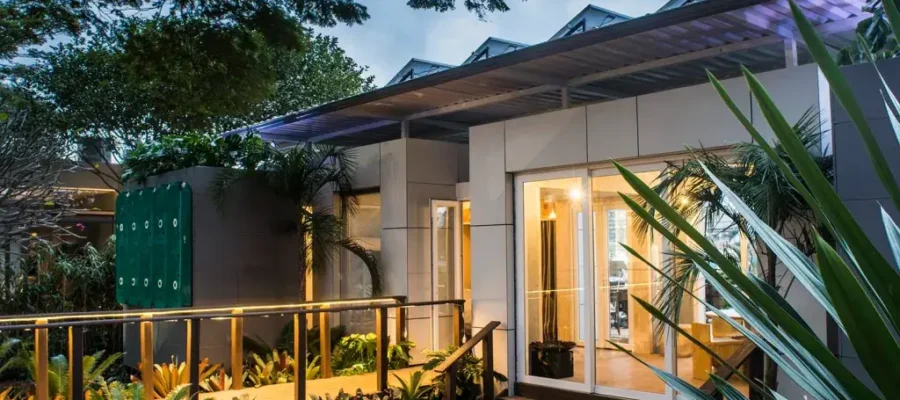
Homes designed with solar panels, green roofs, large windows and doors to circulate ventilation, capture rain and reuse that water to water plants or wash the car, are simple examples of bioarchitecture in action.
But why is bioarchitecture so important in the creation of projects?
In addition to seeking to preserve the environment and, therefore, guarantee the quality of life of future generations, bioarchitecture also promotes savings in the pockets of those who will benefit from the project and, of course, versatility in the creation of the architect responsible for applying this method.
We will explain these situations as follows. Imagine a client wants to renovate their home, but, without much technical knowledge and sustainable vision, they end up focusing only on designing how their home will look. This person then asks the architect to leave the environment with this refined appearance, by investing in artificial lighting in all environments. Soon the architect is following the client’s instructions, but when it comes time for the client’s approval, oops! the client realizes that maintaining this residence can be very expensive and has no return, whether in terms of savings or quality of life.
In this case, the architect would have two tasks: reformulate the project idea and obtain approval for this new project.
This would result in a waste of time, in addition to demonstrating a lack of control over a project, after all, the client requests a project as they wish, but an architectural professional has the power to determine whether such a project is viable or not. And by demonstrating mastery of their service, an architect can demonstrate their skill and creativity in any environment.
Bioarchitecture = quality of life and ecologically correct spaces
Have you seen how easy the concept of Bioarchitecture, as well as how this method is applied in practice, is to understand? Whether it is a house, a building, an office, etc., it is possible to make the environment more sustainable and full of comfort, in addition to generating savings in the pockets of those who choose this project.
And the coolest thing is, it doesn’t matter if you’re an architecture professional who just graduated or have been building your career for years. Bioarchitecture is an invitation to a better life, and we can all make it happen. So you know, don’t be afraid to dare! Present this sustainable project idea to your client.
Latest Posts Published

Building materials in indigenous architecture
Architect Siza Vieira
Discover the history of Milan Design Week

How to create a good closet design?

discover the program created exclusively for architects and designers
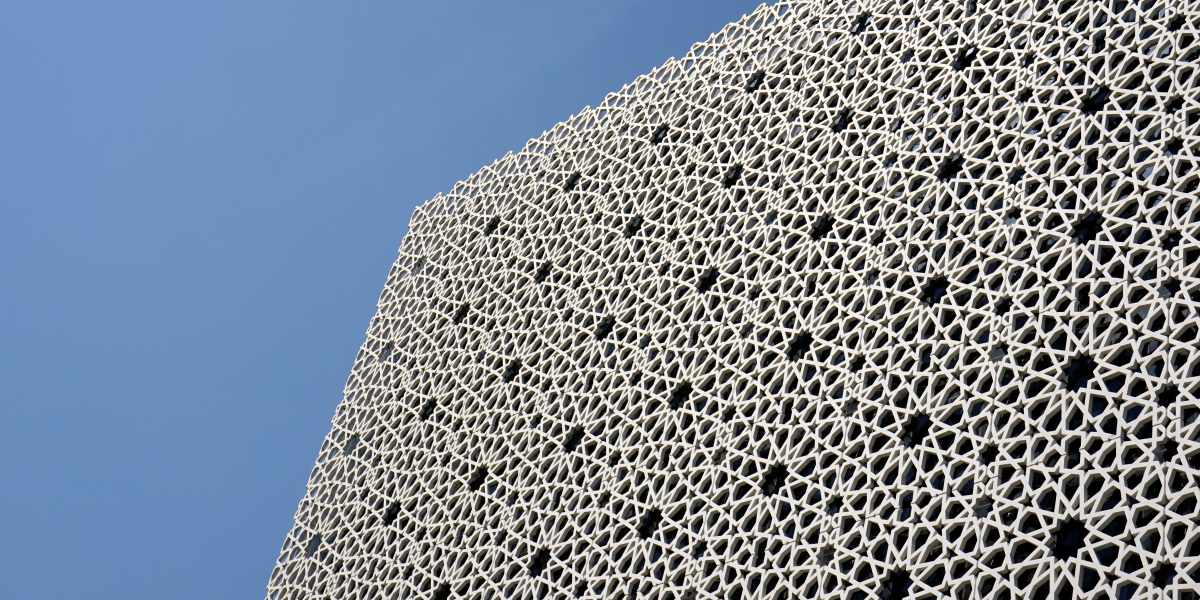
ancient tradition that turns out to be a current solution to heat
11 Great Wireless Smart Light Ideas
Development of farms and barns: rustic elegance in Tuscany

know what they are really looking for