The history of furniture design in Brazil dates back more than 100 years and rose to prominence with the arrival of modernism in the 1920s, and one of its main characteristics was make furniture more accessible to the population. More than functional, this design has been built over the years, reflecting the richness of our cultural expressions, in addition to telling the history, traditions and identity of Brazilian society.
This cultural diversity in Brazilian furniture design
which also includes references to Latin American, African and European roots, has contributed to the creation of increasingly authentic and innovative projects. In this context, two influences stand out: the minimalism of Japanese architecture and the sophistication of Italian creations.
In today’s article, Casoca explores how the meeting of these cultures helped shape furniture design in Brazil and what its implications are for today’s market. Happy reading!
Japanese immigration to Brazil began in the mid-20th century, bringing a rich cultural heritage that influenced many aspects of Brazilian life, including art and design. Japanese minimalism, the search for simplicity and harmony with nature are some of the classic elements of Japanese design that have positively influenced several works of Brazilian designers.
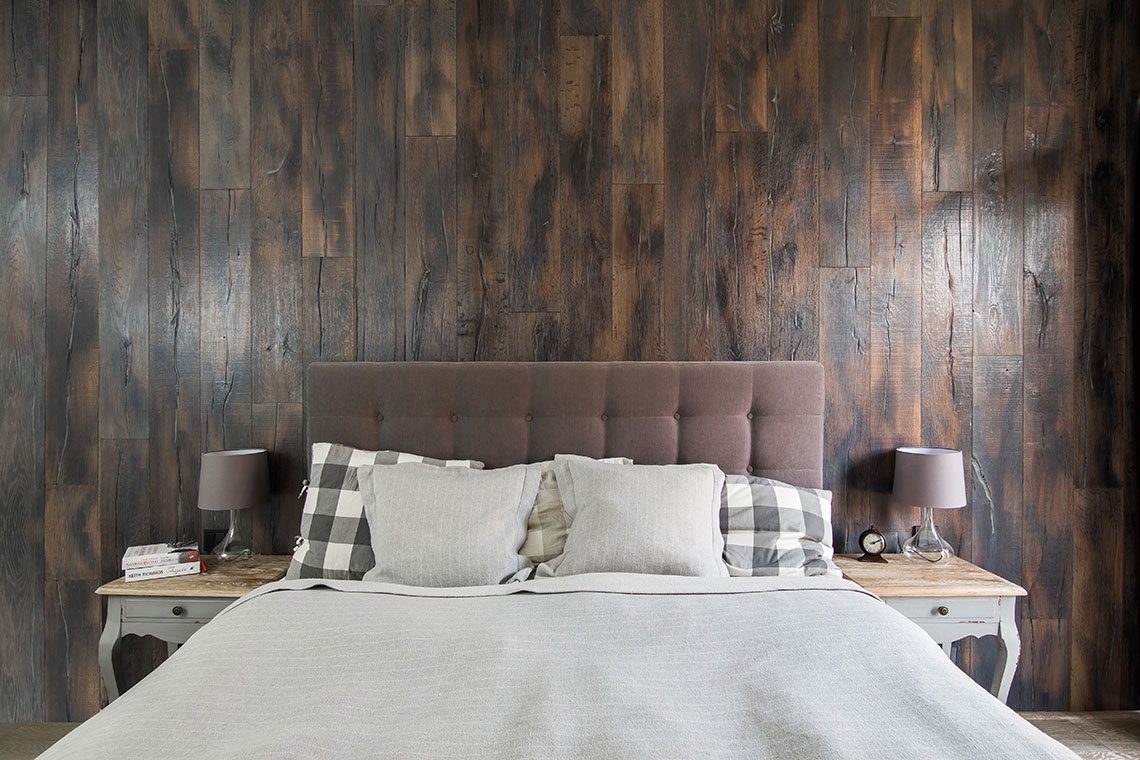
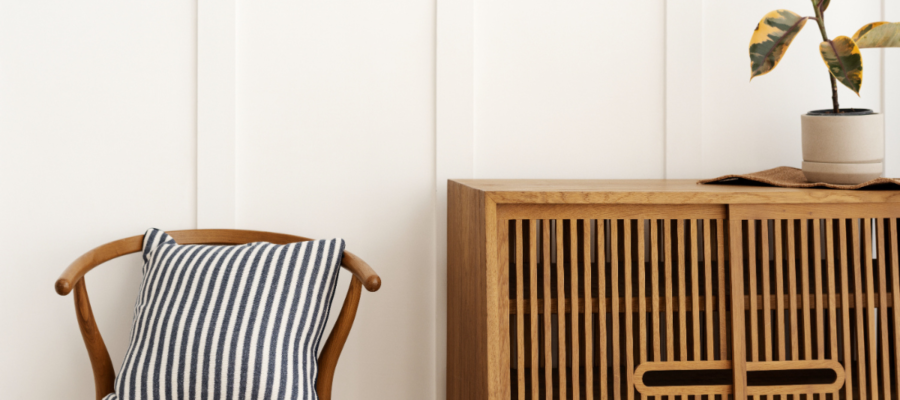
One of the fundamental principles of Japanese design is the idea that “less is moreThis approach is found in furniture that opts for simpler and more functional shapesallowing a more intimate connection with the space and the surrounding environment. Likewise, the use of natural materials, such as wood and bamboo, not only promotes the aesthetic associated with nature, but also sustainability.
The technique Shou Sugi Banwhich involves carbonizing wood to increase its durability, is an example of a Japanese tradition adopted by some Brazilian designers, bringing a new dimension to the use of wood in furnishings.
Italy, recognized worldwide for its elegance and quality of design, brought a new aesthetic language to Brazil. Renowned Italian brands such as Cassina and B&B Italy have influenced not only the way furniture is designed, but also the design philosophy as a whole. Italian accent on balance between form and function He also brought a new perspective to furniture design in Brazil, emphasizing the importance of aesthetics as a key factor in daily life.
Thus, many Brazilian designers have been directly influenced by this aesthetic and have created pieces combining Italian sophistication and Brazilian spirit. Sérgio Rodrigues, for example, is known for his designs that convey comfort and warmth, mixing classic lines with a more tropical touch in his designs.
Os Irmãos Campana, a duo composed of Humberto and Fernando Piva Campana, explores the possibilities created from mix of materials and Brazilian artisanal traditionsand incorporate elements that reference Italian culture into their work. This meeting of references allowed the establishment of a more creative dialogue in the furniture design process in Brazil, which is reflected in the quality and originality of the final products.
When we think about the common characteristics between Japanese and Italian influences, we notice a wealth of styles emerging in contemporary design. This merger is not limited to the aesthetic elementbut it is also present in production practices and design philosophies. After all, the combination of Japanese practicality and Italian elegance results in furniture that is both functional and visually impactful.
A clear example of this mix is the use of materials such as plywood and metal, common in Japanese and Italian design, and adapted to Brazilian aesthetics. Furniture that uses clean lines and geometric shapes is becoming more common in architectural designs, bringing a touch of modernity without losing the feeling of comfort and welcome.
Now that we understand how Brazilian furniture design was shaped from connections and influences with other countries and cultures, it is impossible not to talk about contemporary trends that have been heavily influenced by this “cultural exchange”.
Nowadays, one of the principles that stands out the most in furniture production is the sustainability with the creation of more minimalist designs and the application of more natural color palettes. Furniture made from environmentally friendly materialssuch as bamboo, are increasingly sought after, which reflects a growing process of consumer awareness of the origin of the products that make up the environments around them.
Furthermore, the functional minimalism
It is also gaining ground among the needs of consumers who are now looking for pieces that not only provide the visual composition of an environment, but also offer practicality and versatility. This request for multifunctional furniture reflects an adaptation to contemporary lifestyles, as smaller spaces require smarter ways to organize and use them on a daily basis.
Latest Posts Published
Building materials in indigenous architecture
Architect Siza Vieira
Discover the history of Milan Design Week

How to create a good closet design?

discover the program created exclusively for architects and designers
ancient tradition that turns out to be a current solution to heat
11 Great Wireless Smart Light Ideas
Development of farms and barns: rustic elegance in Tuscany

know what they are really looking for